
Your wedding day is not a performance, even if there are cameras around. It is the day you get to marry your person, hug the people who shaped you, eat great food, and feel the full force of a room celebrating your love. If being photographed makes your shoulders rise toward your ears, you are far from alone. Learning how to manage wedding photo anxiety starts with letting go of the idea that you need to look or act a certain way to deserve beautiful images.
The photos you treasure most are rarely the ones where every hair stays in place. They are the ones that bring you back to your partner squeezing your hand before the ceremony, your best friend crying during a toast, and the wild joy of finally stepping onto the dance floor together. You do not need to be naturally comfortable in front of a camera. You need a team, a plan, and enough breathing room to be yourself.
How to Manage Wedding Photo Anxiety Before the Day
Photo anxiety often grows in the blank spaces. When you do not know what will happen, how long portraits will take, or what a photographer expects from you, your brain fills in the gaps with pressure. The kindest thing you can do for yourselves is make the experience feel familiar before the wedding arrives.
Start by telling your photographer the truth. You do not have to package it perfectly. A simple, “We are excited, but we get awkward in photos,” is useful information. Maybe one of you freezes when asked to smile. Maybe you worry about your profile, your arms, or being the center of attention. Maybe your partner is happy to take candid photos but dreads formal portraits. Sharing that early gives your photographer the chance to lead with more care and less guesswork.
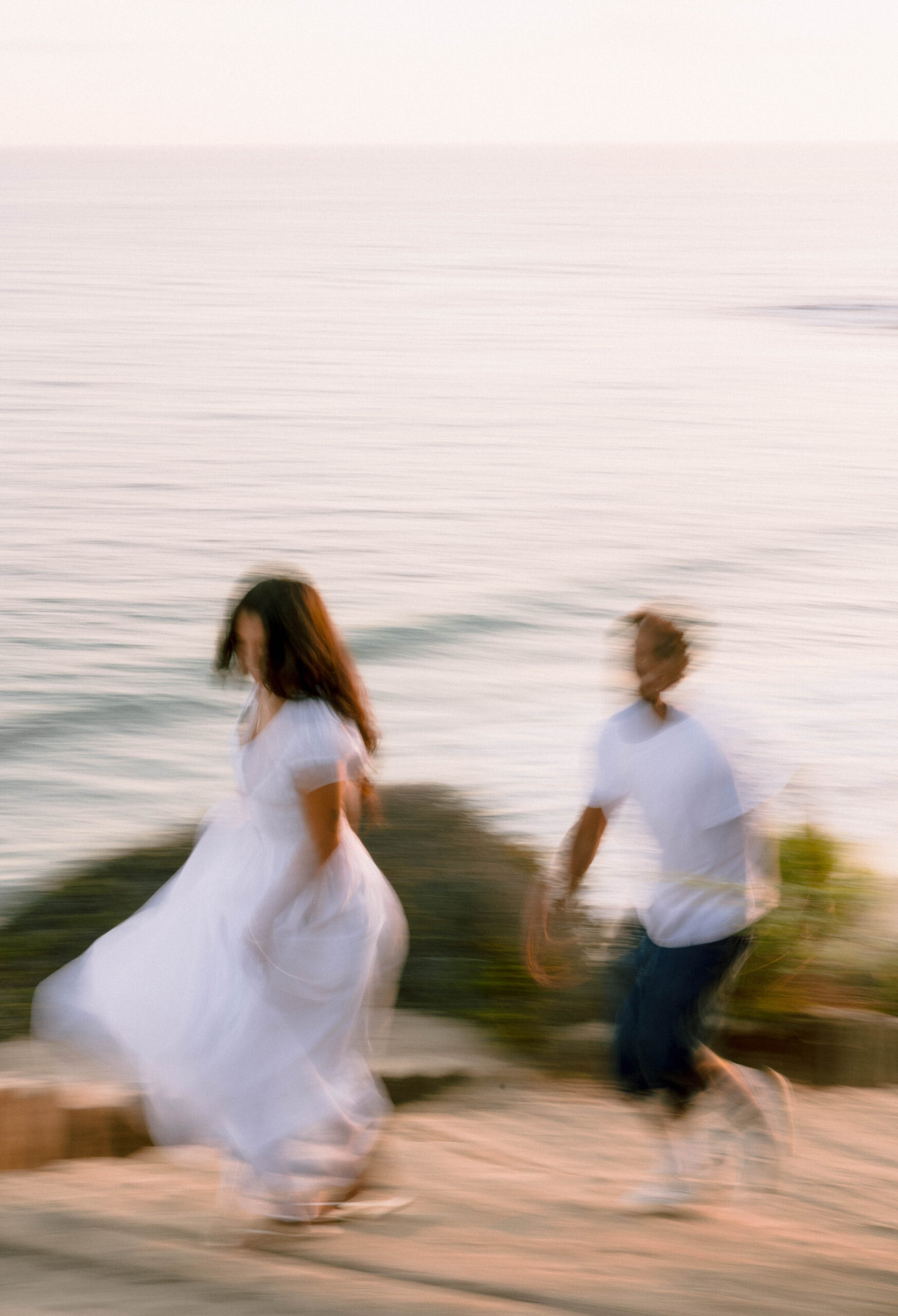
A great photographer will not respond by making the day feel overly structured or stiff. They will adjust how they direct you, explain what is happening, and create moments that let you focus on each other instead of the lens. For many couples, that looks less like posing and more like walking together, sharing a private joke, fixing a veil, or taking a minute to breathe side by side.
An engagement session can also be a genuinely helpful rehearsal. It is not about proving that you are good at photos. It is a low pressure chance to see how your photographer works and realize that you can have fun while being photographed. By the wedding day, their voice and direction will feel familiar, which can make a huge difference when emotions are already running high.
Choose Comfort Over Perfection
Wedding photo anxiety sometimes has less to do with the camera and more to do with feeling unlike yourself. A dress that needs constant adjusting, shoes that hurt before the ceremony begins, or a beauty look that feels too far outside your normal style can pull your attention away from the people in front of you.
Choose what makes you feel confident, not what you think photographs best in theory. That may mean tailoring your outfit so you can move freely, doing a hair and makeup trial, bringing a second pair of shoes, or choosing a suit that lets you sit, dance, and hug everyone without feeling restricted. Your comfort shows up on camera because it shows up in your face and body.
This does not mean every choice needs to be practical above all else. If you have dreamed about a dramatic gown or a sleek tuxedo, go for it. Just plan for the realities around it. Practice walking in your shoes. Sit down in your outfit. Ask someone you trust to keep a small touch up kit nearby. A little preparation protects your ability to stay present.
Build a Timeline With Room to Breathe
A packed wedding timeline is one of the fastest ways to turn manageable nerves into overwhelm. When every minute is assigned and portraits are squeezed between transportation, family arrivals, and the ceremony, photos can start to feel like another obligation instead of a meaningful part of the celebration.
Give yourselves more time than you think you need for getting ready, travel, and portraits. You do not need to spend hours away from your guests, but you do deserve a pace that allows for water, snacks, bathroom breaks, and a few quiet minutes with your partner. The best images happen when no one is rushing you through the experience.
Talk through the family photo list in advance, too. Keep it focused on the combinations that matter most, and designate one organized person who knows the key family members. This small move keeps your photographer from having to search for an uncle during cocktail hour and keeps you from feeling responsible for managing everyone.
If you are doing a first look, consider it for what it can offer emotionally, not as a requirement. Some couples feel calmer seeing each other before the ceremony and appreciate getting portraits done while they are fresh. Others want the ceremony reveal to be their first moment together. Both choices are beautiful. The right one is the one that helps you feel most connected to your own day.
Let Your Photographer Direct the Small Things
Many people worry they will not know what to do with their hands, where to look, or how to stand. Good news: that is not your job. You are not expected to arrive with a set of poses memorized or a perfect camera smile ready on command.
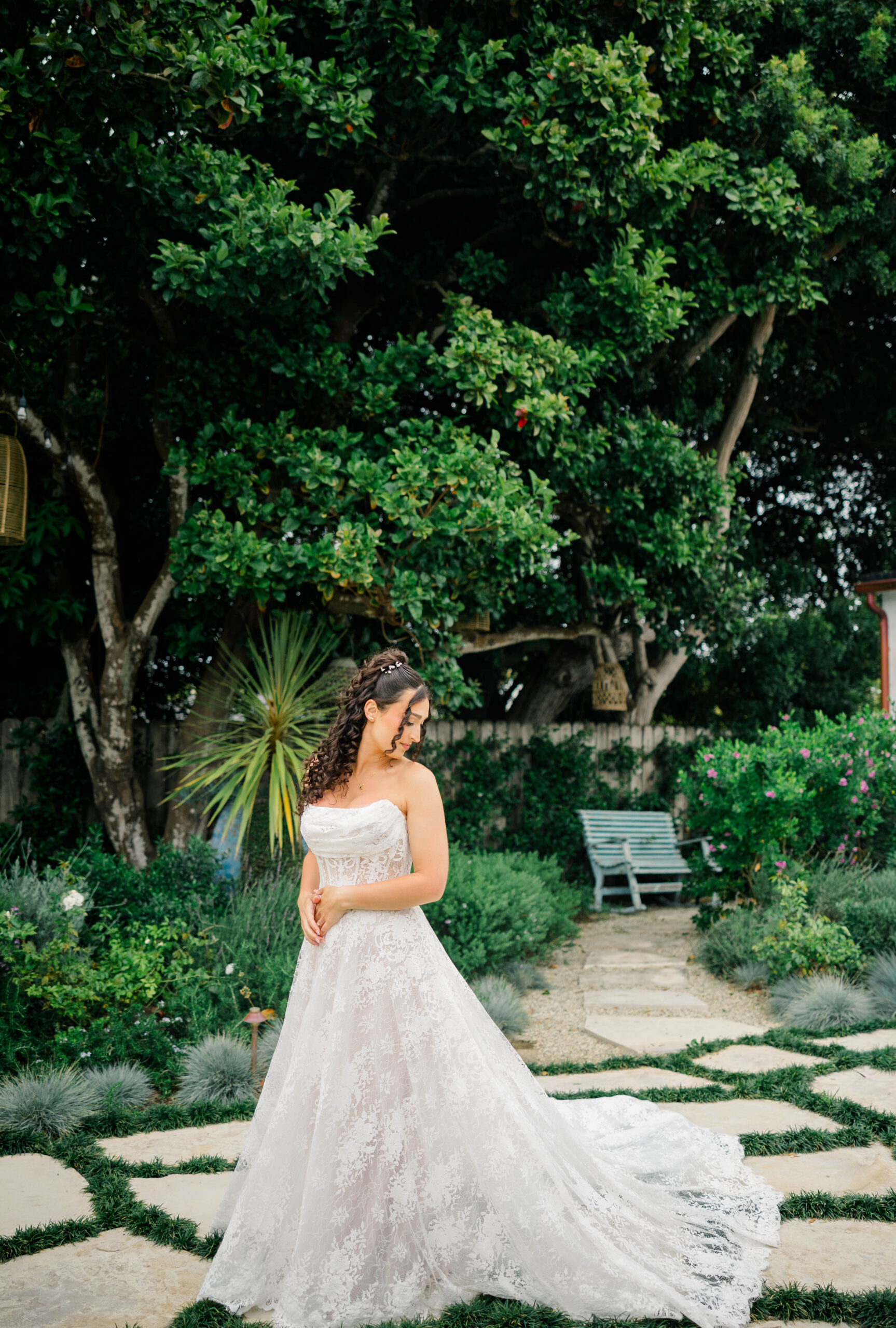
Let your photographer take care of the small adjustments. They can help you find flattering light, guide your hands naturally, and gently move you when something needs a shift. Your only assignment is to stay close to your partner. Look at them. Talk to them. Let yourself laugh when a direction feels silly. Those in between reactions are often where the real magic lives.
It can help to decide on a phrase with your partner before the day. Something simple like, “Come back to me,” or, “We are okay.” If either of you starts to spiral during portraits, hearing that phrase can interrupt the pressure and bring your focus back to what is actually happening. You are getting married. The camera is there to preserve it, not judge it.
Make Space for Real Emotion
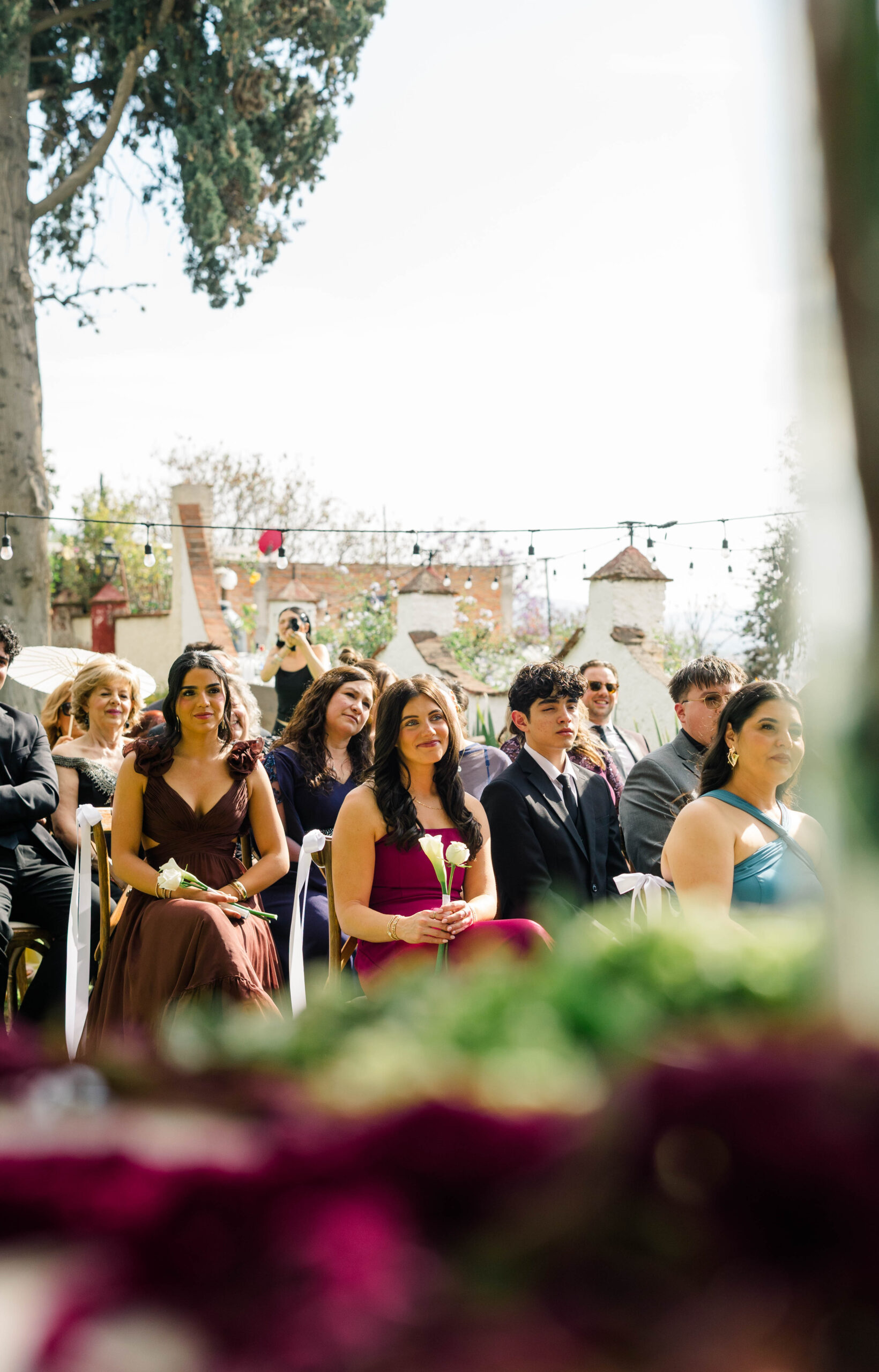
You do not need to smile through every second of your wedding. You might cry during your vows, feel quiet before walking down the aisle, or need a moment alone after the ceremony. Those feelings are not a problem to hide. They are proof that the day means something.
Tell your photo and video team if there are tender moments you expect to feel big. Maybe you want a few private minutes after the ceremony. Maybe your dad is giving a speech that could wreck the whole room in the best way. Maybe you are honoring someone who cannot be there. When your team understands what matters beneath the schedule, they can protect the space for it.
There is a difference between being guided and being watched. The right creative team knows when to step in with energy and when to step back so a moment can belong entirely to you. That balance matters, especially for couples who feel self conscious. You should never feel like your wedding has become a content shoot.
Give Yourself Permission to Be Imperfect
Your veil may catch in a tree. Someone may spill a drink. The wind may show up with its own opinions. Your face may get blotchy after happy crying, and your dance floor hair may be much bigger by the end of the night. None of this takes away from the beauty of your story.
The most enduring wedding photos do not depend on perfect conditions. They hold feeling. Years from now, you will care less about whether every detail was exactly right and more about whether the images bring you back to the warmth, noise, laughter, and love of the day.
If you feel anxious, do not fight yourself for feeling it. Take a breath, hold your partner’s hand, and let the next moment be simple. You do not have to be photogenic all day. You only have to be there, together, while the people who love you most get to witness the beginning of your marriage.


Comments +