
The room goes quiet. You take a breath, look at your person, and say the words you have carried around for months. Do videographers record vows? They absolutely can and, for most couples, they should. Your vows are not just another ceremony detail. They are the voice, laughter, shaky exhale, and happy tears that bring your wedding film back to life every time you press play.
Still, vow audio is not something to assume. Every videographer has a different approach to sound, ceremony coverage, and the gear they use. A quick conversation before you book can make the difference between seeing your vows on screen and actually hearing every word that made your people cry.
Do Videographers Record Vows at Weddings?
Most professional wedding videographers record vows as part of comprehensive ceremony coverage. They often capture the officiant, the couple, readings, and meaningful reactions from guests too. But the specific method matters just as much as the intention.
A thoughtful team does not rely on one camera microphone from the back of the aisle. That microphone is designed to catch general ambient sound, which can mean wind, rustling programs, traffic, or a guest whispering at exactly the wrong moment. Instead, they build in audio backups so your voices have a real chance of coming through cleanly.
For couples planning an outdoor celebration in Los Angeles, Orange County, Santa Barbara, or anywhere with a little ocean breeze or city energy nearby, this matters even more. Beautiful settings often come with real world sound. A skilled wedding filmmaker plans for that without making the ceremony feel like a production set.
How Vow Audio Is Usually Captured
The most common approach is placing a small microphone and recorder on the officiant. Because the officiant stands close to both partners, this can capture the full exchange naturally. Depending on the ceremony setup and the couple’s comfort level, a videographer may also place a recorder on one partner or connect to the venue’s sound system.
Each option has strengths. A recorder on the officiant can capture both voices and the cadence of the ceremony. A personal recorder can make one person’s voice especially intimate and clear. A feed from the sound system may capture microphones used during the ceremony, especially at a larger wedding with amplified sound.
The best practice is usually a combination. Audio has variables that video does not. A wireless signal can have interference. A battery can fail. An officiant may turn unexpectedly toward the crowd. Multiple sources give your videographer options in the editing room and protect the words that cannot be repeated exactly the same way.
You do not need to understand the equipment to ask a smart question. Simply ask, “How do you record ceremony audio, and do you use backups?” A confident answer should make you feel cared for, not overwhelmed.
What happens if we write personal vows?
Personal vows deserve extra attention because they are often one of the emotional anchors of a wedding film. The way your voice cracks before a joke, the pause after a promise, and your partner’s immediate reaction all tell a story that photos alone cannot fully hold.
If you plan to read vows from handwritten pages, speak clearly enough for your partner to hear and try not to hold the paper directly over a microphone. There is no need to perform or project like you are on stage. Just slow down slightly. The moment will feel more natural, and your words will be easier to understand later.
If you are nervous, that is completely normal. You can bring a printed backup, ask your officiant to hold your vows, or memorize only the opening and closing lines. Your videographer is there to document the real feeling, not to judge whether every word lands perfectly.
What Can Affect the Recording?
Even experienced wedding videographers cannot control every part of a live ceremony. Wind, rain, planes overhead, cheering guests, nearby construction, and a venue sound system with limited access can all affect audio. A great team prepares carefully, but they will also set honest expectations when a location presents challenges.
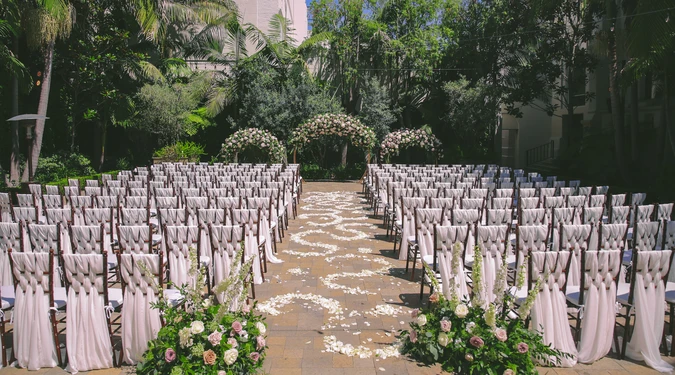
Outdoor ceremonies are especially beautiful and especially unpredictable. If you are exchanging vows on a bluff, in a garden, or at the beach, ask whether the team uses wind protection on their microphones. If your ceremony is indoors, ask who is managing the venue sound system and whether vendors can connect to it before guests arrive.
The ceremony itself can create small obstacles too. Some officiants move frequently, speak softly, or use a microphone that is not available for an audio feed. Religious venues may have rules about where vendors can stand or what equipment can be placed on a person. None of these details mean your vows cannot be recorded. They simply mean your videographer needs the information early enough to make a good plan.
Questions to Ask Before You Book
You do not need a long technical checklist. You do need clarity on what is included in the coverage you are investing in. Ask whether full ceremony audio is captured, whether your vows will be heard in the final film, and what backup recordings are used.
It also helps to ask what you will receive after the wedding. Some collections include a highlight film where selected vow lines are woven into the story. Others include a separate full ceremony edit, so you can watch the entire exchange from beginning to end. Both are meaningful, but they serve different purposes.
A highlight film is about feeling. It may pair one powerful sentence from your vows with a quiet moment of getting ready, your parents watching from the front row, or the celebration that follows. A full ceremony film preserves the complete experience, including readings, music, and the words you may have been too emotional to remember in the moment.
If having both matters to you, say so. Your wedding team should know which moments are nonnegotiable before the day begins.
Help Your Videographer Protect the Moment
A little planning makes a huge difference. Share your ceremony timeline, venue rules, officiant contact information, and any planned surprises such as a private vow exchange or a recorded message from a loved one. If you have a friend operating the ceremony sound, introduce them to your videographer before the wedding day.
Consider whether you want to say private vows before the ceremony. This can be a beautiful choice for couples who want more space, fewer eyes, and a quiet moment to speak freely. Your videographer can capture that exchange with intention, then still record your public ceremony vows or traditional promises.
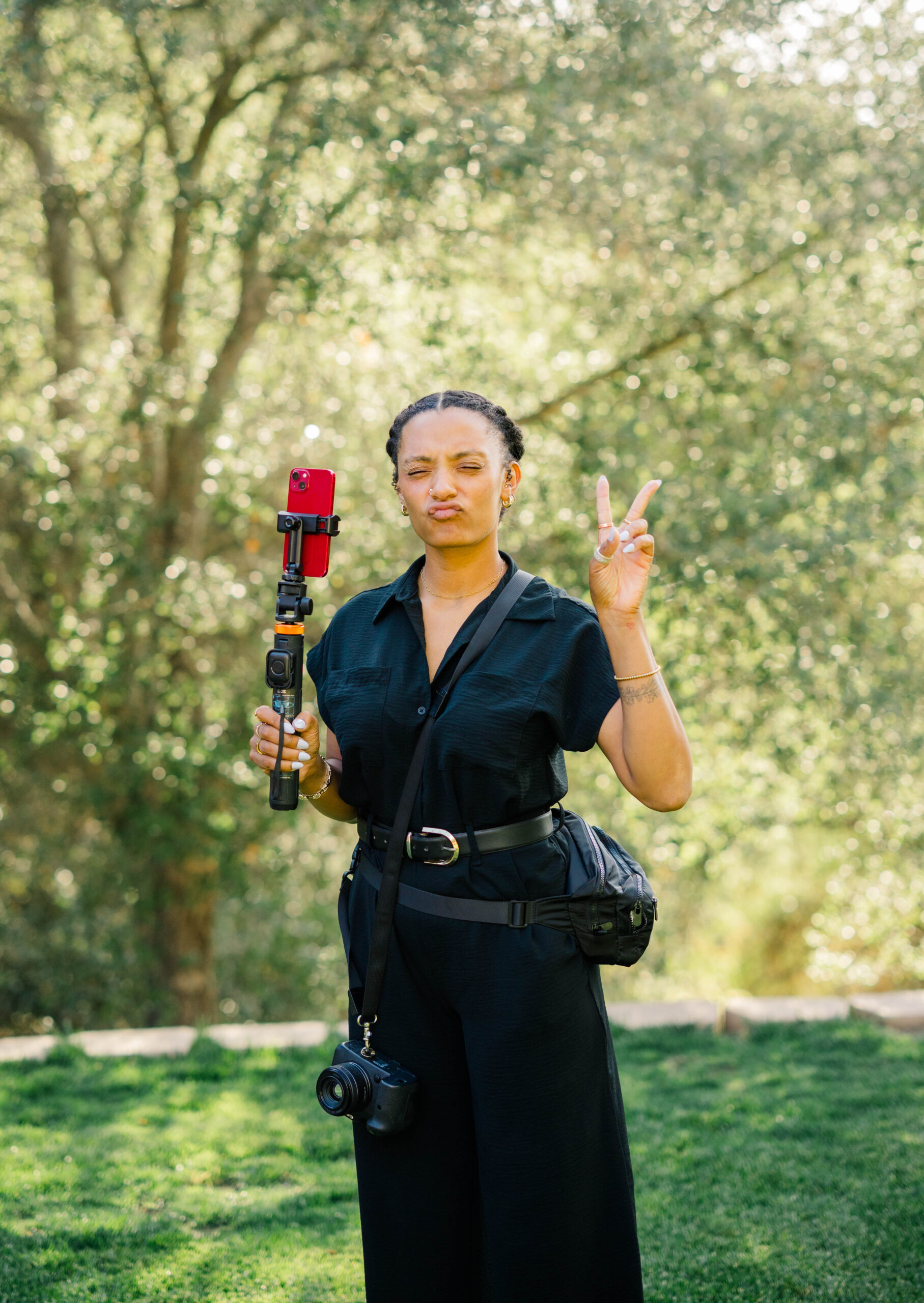
Most of all, choose a team you trust around emotional moments. The right people will know when to step in for a quick microphone placement and when to disappear so you can be fully present. At The Jaramillos, that balance is part of the job: caring about the technical details while keeping the energy easy, joyful, and completely focused on you.
Your vows may last only a few minutes, but they can become the line you replay on an anniversary, the sound your future family hears, and the reminder of exactly how it felt to choose each other. Make room for the audio. Then let yourself be in the moment, knowing those words have a place to live long after the day is over.



Comments +