
The ceremony has just ended. Your people are cheering, your hands are shaking a little, and you are finally married! Knowing how to plan wedding portrait time means protecting that just married feeling instead of rushing straight into a long list of photos. The best portrait timeline gives you beautiful images, yes, but it also leaves room for hugs, champagne, happy tears, and the party you worked so hard to create.
Portrait time is not about disappearing from your own wedding. It is about making a little intentional space for the people and moments that will matter most when you look back years from now.
Plan Wedding Portrait Time Around the Feeling You Want
Before choosing exact minutes, think about the experience you want. Do you want a quiet first look together before guests arrive? Do you dream of joining cocktail hour and hugging every person in the room? Would sunset photos feel like a sweet breather between dinner and dancing? There is no universal answer, because every wedding has a different rhythm.
For couples who want to spend as much of cocktail hour as possible with guests, a first look can be incredibly helpful. Seeing each other before the ceremony allows you to complete couple portraits, wedding party photos, and many family groupings earlier in the day. After the ceremony, you can take a few just married portraits, then head right back to your favorite people.
If you would rather wait until the aisle for that first reaction, that can be just as meaningful. You will simply want to protect more time after the ceremony before cocktail hour or dinner. This choice creates a beautiful, classic build of anticipation, but it asks for a timeline with a little more breathing room.
The goal is not to squeeze photos into every open second. The goal is to decide which memories deserve your attention and let the schedule support them.
Start With Light, Then Build the Timeline
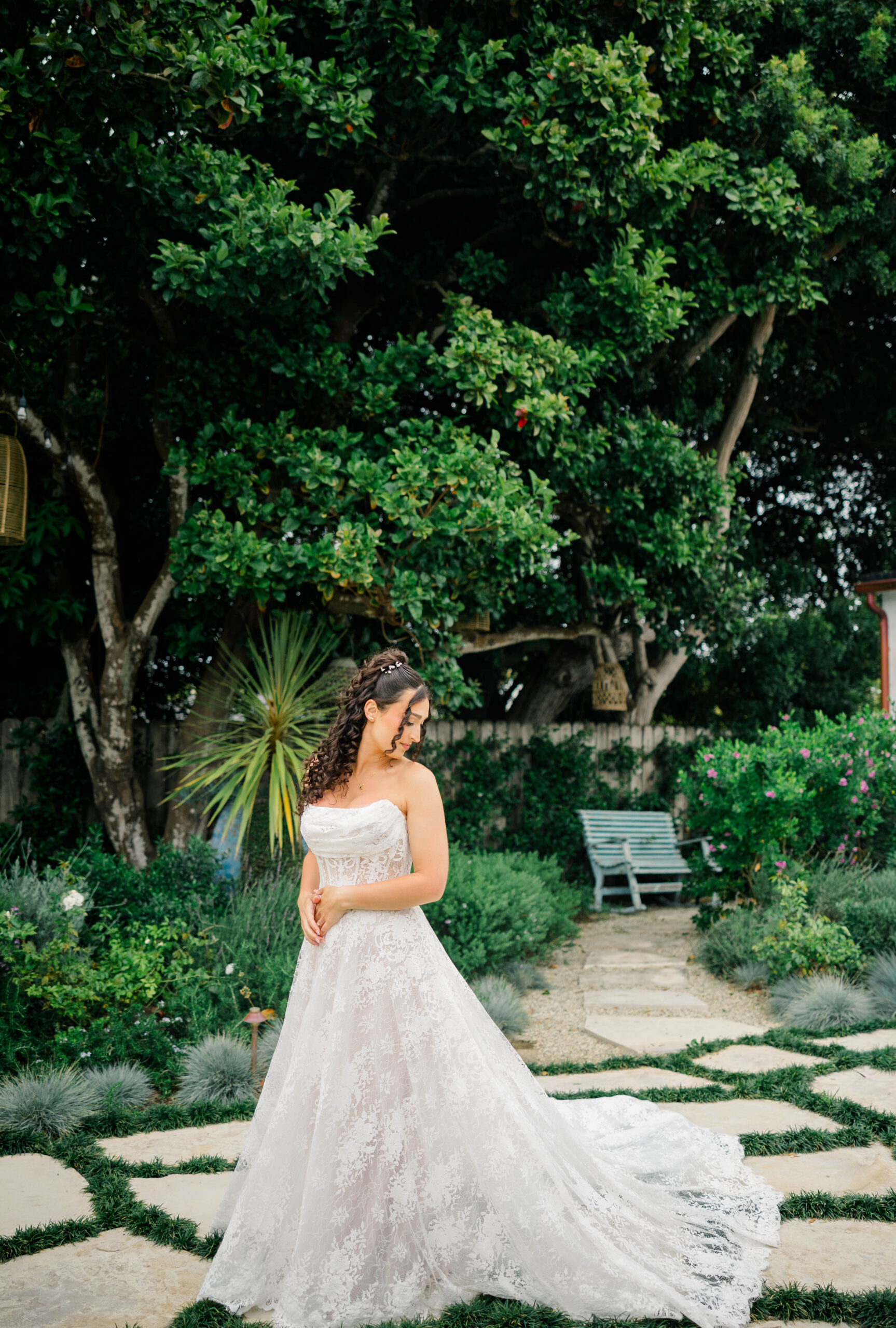
Light shapes the feeling of portraits more than any complicated posing plan. In Southern California, bright afternoon sun can be intense, especially at open air venues, beaches, and gardens. Softer light closer to sunset is often more flattering and romantic, with skin tones that feel gentle and a glow that gives images real depth.
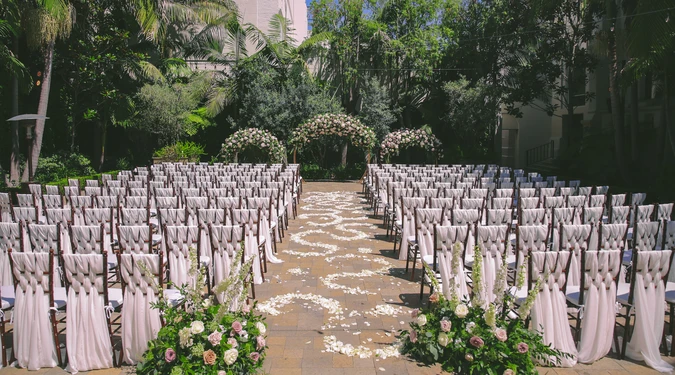
That does not mean every portrait must happen at sunset. Your wedding day has plenty of beautiful options. A shaded courtyard, a window filled getting ready room, an architectural hallway, or a ceremony site after guests have cleared can all create something special. But if sunset matters to you, reserve it before other reception events are locked in.
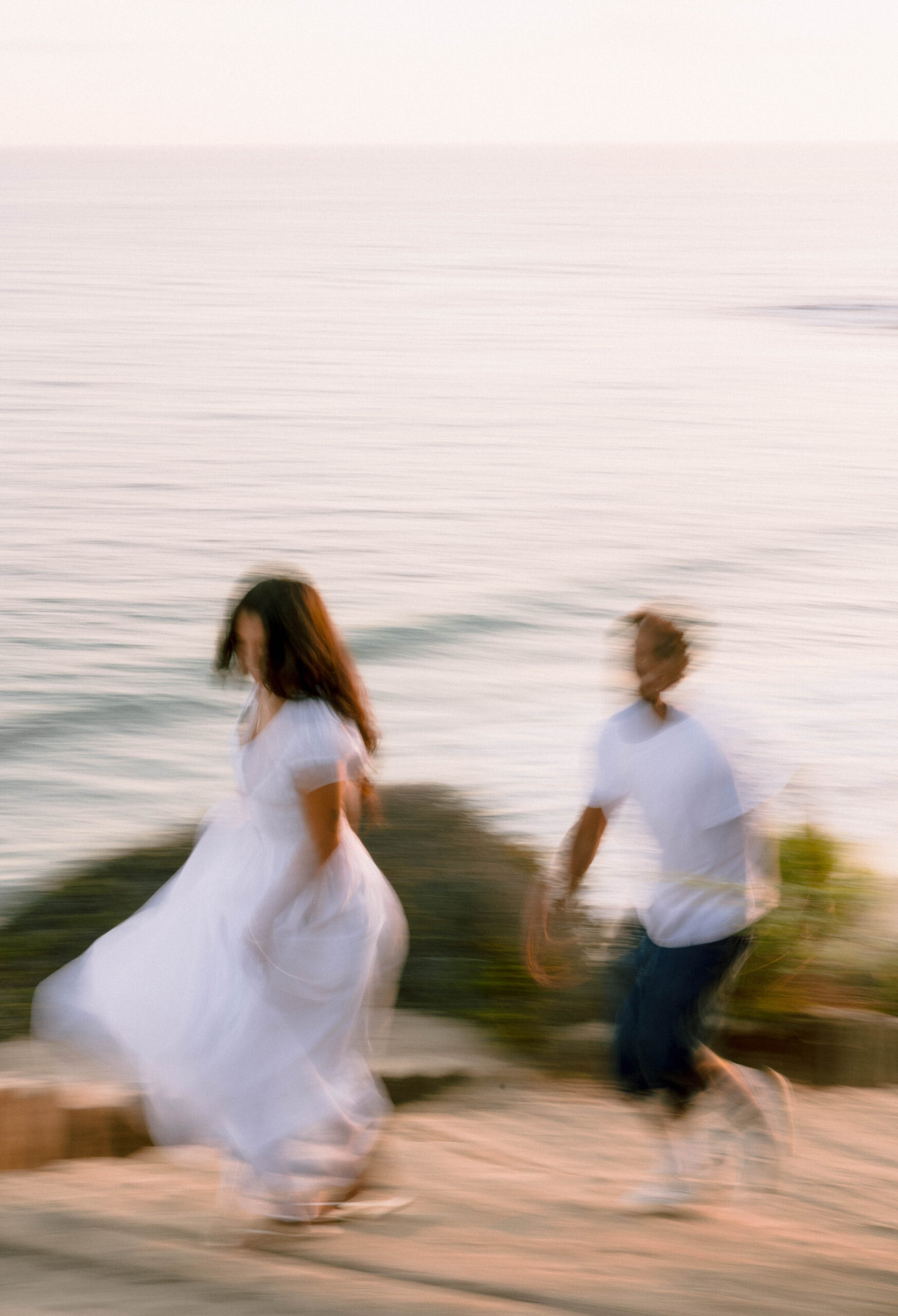
A short sunset portrait window, often around fifteen to twenty minutes, can be enough. It is not a formal interruption or a second photo session. Think of it as a chance to step outside together, take a breath, and have a few quiet minutes while your celebration continues nearby. Those images often hold a different kind of emotion because the pressure of the ceremony is gone and you are simply getting to be married.
Talk with your photography and video team about the venue layout, ceremony time, and season. Sunset changes throughout the year, and a team that knows how to read a wedding day can help find the most beautiful light without making your guests wait around.
Give Each Portrait Group a Realistic Window
A relaxed schedule is a gift to everyone. When portrait time is too tight, tiny delays become stressful. A missing boutonniere, a parking issue, a family member who stepped away, or a bustle that needs one more minute can suddenly make the whole day feel hurried.
As a general starting point, set aside about thirty to forty five minutes for getting ready details and candid moments, fifteen to twenty minutes for each partner’s individual portraits, and twenty to thirty minutes for couple portraits before the ceremony if you are doing a first look. Wedding party portraits typically need twenty to thirty minutes, depending on the size of your group and how far locations are from one another.
Family photos are often the part that benefits most from a clear plan. Fifteen to thirty minutes can work beautifully when the group is organized in advance. If you have a large extended family or several meaningful combinations, give yourselves more time. There is nothing wrong with prioritizing those portraits. They become priceless fast.
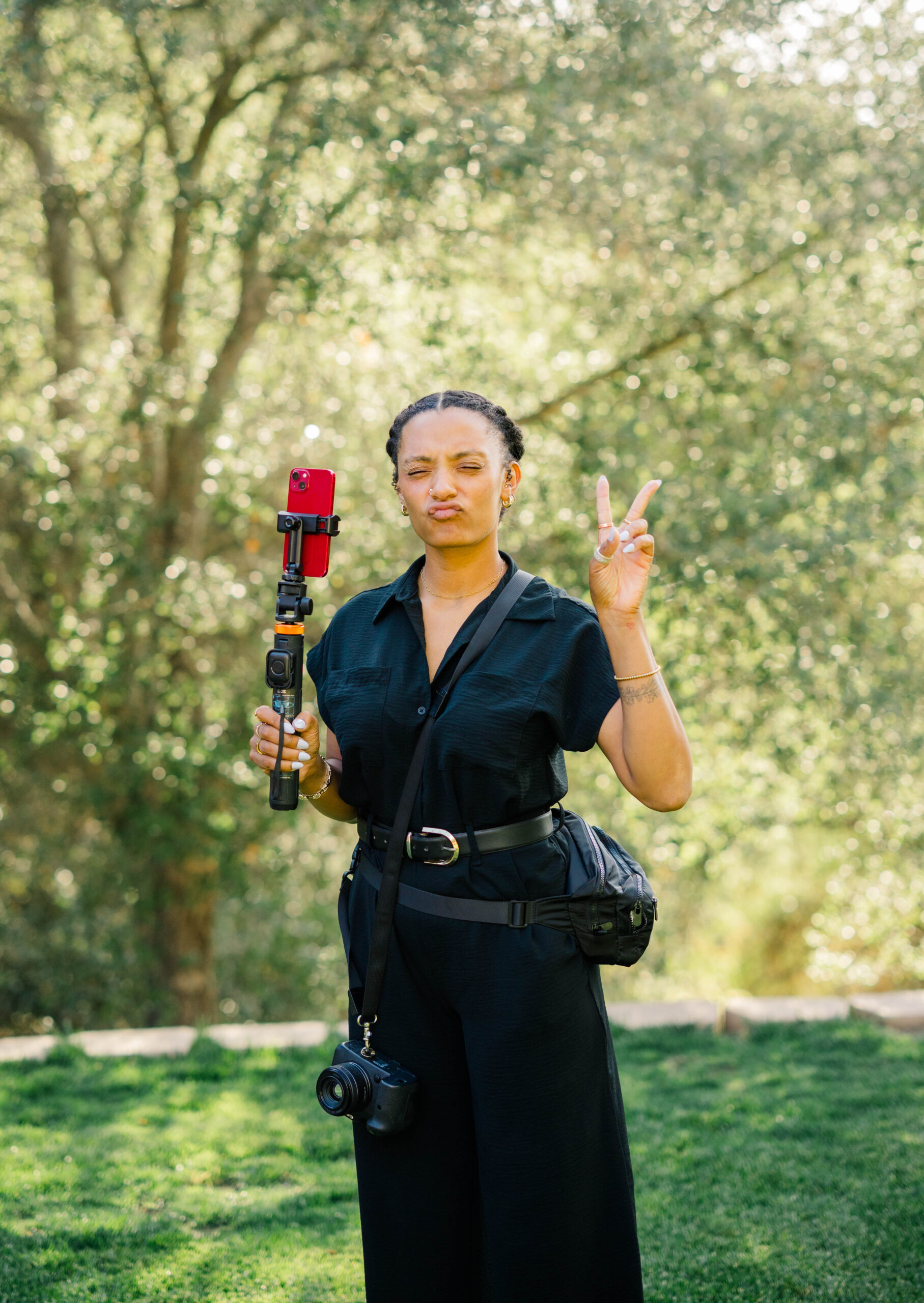
These windows are flexible, not rules. A twenty person wedding party needs more time than four best friends. A venue with multiple scenic spots may require walking time. A wedding with photo and video coverage benefits from enough space for both teams to work thoughtfully without turning every moment into a production.
Make a Family Photo List That Keeps Things Moving
Family portraits do not need to feel stiff or endless. The secret is choosing the combinations that matter most, then sharing them before the wedding day. Start with immediate family, grandparents, siblings, and anyone whose presence carries extra meaning for you.
Keep the list focused. Rather than photographing every possible grouping, choose the versions you truly want on your walls and in your album. Assign one trusted person from each family who knows faces and can gather people quickly. That person can help keep relatives close by while your photographer moves through the list.
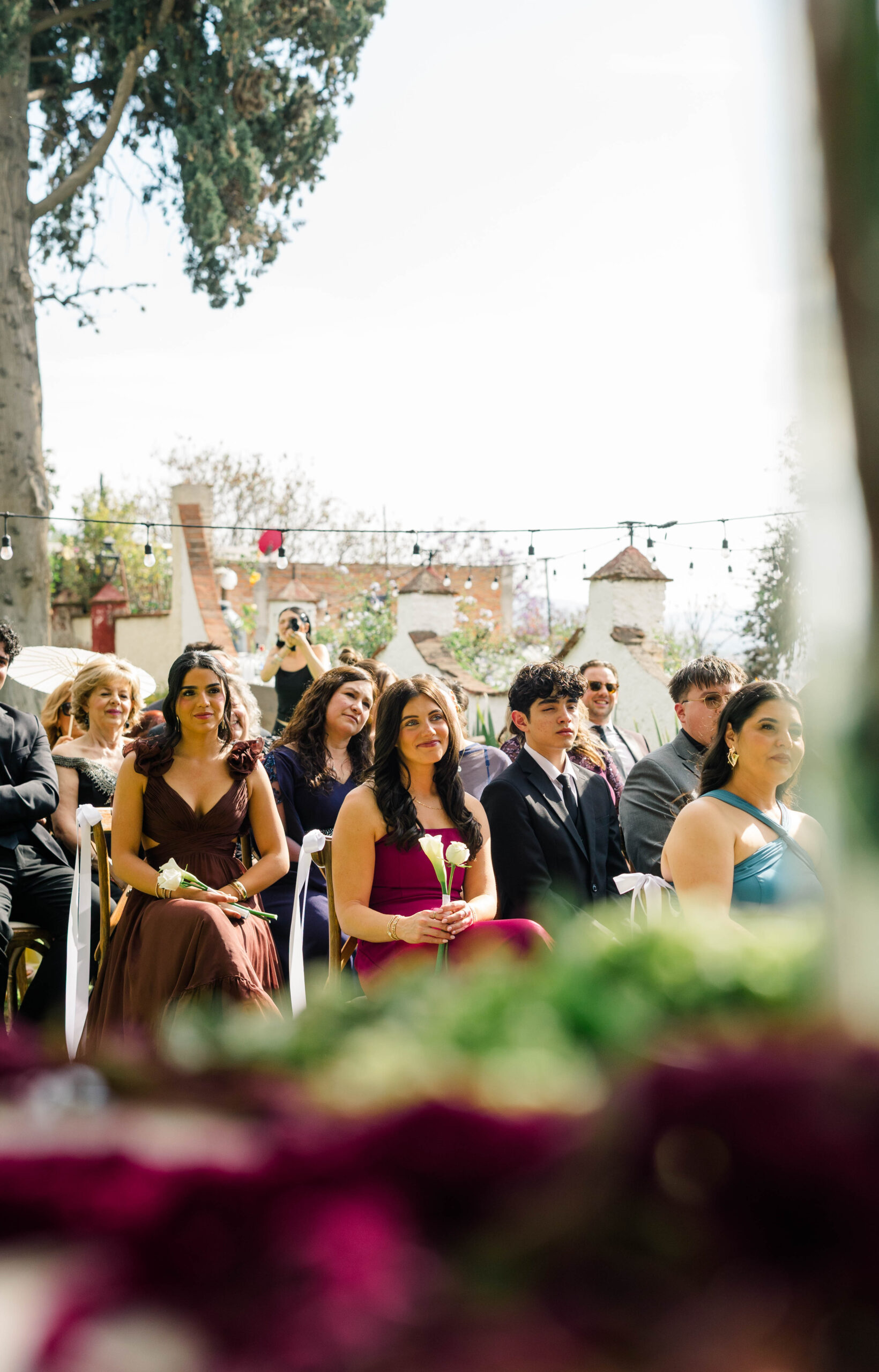
This is especially useful after the ceremony, when guests are eager to congratulate you and loved ones can disappear toward cocktail hour without realizing portraits are about to begin. A little preparation means less calling out names and more time for genuine smiles.
Leave Room for the Unplanned Moments
The portraits you frame may come from a planned window, but the images you feel most deeply are often unplanned. Your dad seeing you fully dressed. Your best friend fixing your veil and trying not to cry. Your partner reaching for your hand right before the ceremony. Those moments need presence, not a packed schedule.
Build small pockets of margin into the day. Give yourselves ten or fifteen minutes between major transitions when possible. This is where a timeline shifts from efficient to enjoyable. You can use that time for a snack, a touch up, a private note, or simply a moment to look around and notice what is happening.
A well planned portrait schedule should also account for travel. Los Angeles and Orange County traffic, large hotel properties, elevators, valet lines, and a long walk to the ceremony site can all affect timing. If a location is ten minutes away, plan for more than ten minutes. Calm is always worth a little extra space.
Let Your Portraits Feel Like You
You do not need to know how to pose. Truly. The most timeless portraits are less about perfect posture and more about connection. Look at each other. Hold hands. Walk slowly. Laugh when something is funny. Let yourselves react to the fact that all your favorite people came together to celebrate your love.
Share what makes you feel comfortable with your team before the wedding. Maybe you love editorial images but worry about looking too serious. Maybe you want direction because being in front of a camera makes you nervous. Maybe you care most about candid photos and only want a handful of polished portraits. All of that helps shape an experience that feels like you, not a performance.
The Jaramillos approach portrait time as a collaboration, with enough guidance to make you feel confident and enough space for your real chemistry to show up. The result should feel elevated, personal, and unmistakably yours.
A Sample Flow That Protects Your Celebration
For a wedding with a first look, portraits can begin before the ceremony with a private reveal, followed by couple portraits, wedding party photos, and immediate family photos. After the ceremony, take ten minutes for just married images, then join cocktail hour. Slip out during sunset for a brief portrait break if the light and timeline allow.
For a wedding without a first look, plan family photos immediately after the ceremony, then wedding party and couple portraits. Consider extending cocktail hour slightly or scheduling dinner later so you do not feel rushed. If sunset arrives during the reception, step out for a few minutes together. Your guests will be happily eating, drinking, and celebrating while you create a few more forever photos.
Whatever you choose, keep one thing in mind: your wedding is not a photoshoot with a party attached. It is your once in a lifetime gathering, full of people who love you. Make room for the portraits that matter, then let yourselves be fully there for the rest.


Comments +