
A gorgeous portrait location can feel like the easiest yes in the world, right up until someone asks for a permit. Los Angeles wedding photography permits are not the most romantic part of planning, but handling them early protects something very romantic: your time together, your peace of mind, and the photos you have been dreaming about.
The good news? This does not have to become a giant planning project. With the right questions, a little lead time, and a team that understands how to work within a location’s rules, you can keep the focus where it belongs: on each other, your people, and the feeling of your wedding day.
Why permits matter for wedding photos
Permits are how parks, beaches, museums, historic sites, and public spaces manage commercial photography, protect their grounds, and keep visitor access fair. In practice, a permit may reserve a specific area, limit group size, require proof of insurance, set a time window, or outline what equipment is allowed.
For couples, the biggest benefit is clarity. You do not want to arrive with your wedding party, your carefully timed transportation, and your just married glow, only to learn that photography is restricted or that another event has priority. A permit can help turn a beautiful location from a hopeful idea into a confirmed plan.
It also matters because wedding photography is generally treated differently from casual personal snapshots. Even if you are taking photos in a public place, a professional photographer and videographer, formal attire, lighting, larger gear, or a wedding party can place the session in the commercial category. Each property makes its own call, so never assume one location’s policy applies to another.
How Los Angeles wedding photography permits usually work
There is no single countywide permit that covers every gorgeous corner of Los Angeles. A city park, a county operated beach, a botanical garden, a landmark, and a privately owned venue may all have different processes. Some allow wedding portraits with a simple application and fee. Others need an advance reservation, insurance documentation, a site monitor, or a separate permit for video.
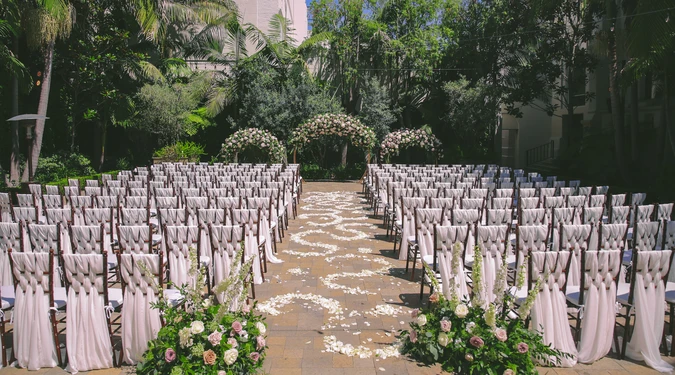
Your venue may already answer many of these questions. If you are getting married at a private estate, hotel, restaurant, or dedicated wedding venue, ask whether your contracted use includes photography across the property. Be specific about spaces such as gardens, rooftops, lobbies, stairways, pools, and nearby streets. A venue may welcome portraits in one area while restricting another during service hours or when guests are present.
For an off site portrait stop, begin with the property manager rather than social media. A location can look popular in photos and still have a policy that has changed since those images were taken. Ask if professional wedding photography is allowed, whether a permit is required, how far in advance to apply, and whether videography has separate rules.
The answer is sometimes no, and that is okay. The best photo plan is not one that depends on persuading a guard, hoping a gate is open, or rushing through a place where you are not welcome. There are always thoughtful alternatives that can give you a similar feeling without adding stress.
Questions worth asking before you book
A quick email or call can save a surprising amount of back and forth later. Confirm the date, your preferred time, estimated number of people, and whether you will have photo and video coverage. Share any relevant details about tripods, light stands, reflectors, drones, vehicles, or an outfit change.
Then ask what the permit actually includes. Does it cover only one designated area? Is there a required arrival and departure time? Are there blackout dates, parking restrictions, noise limits, or rules about flowers, champagne, props, and furniture? If your ceremony itself will happen there, ask whether a photography permit is separate from the event permit.
Most importantly, get the approval in writing and keep a copy accessible on the wedding day. Your planner, photographer, and videographer should know the location rules and the confirmation details. That little bit of organization lets everyone move with confidence when the day is already full of moving pieces.
Build permits into the timeline, not around it
The permit process affects more than paperwork. It can affect when you get ready, where you do your first look, how long travel takes, and whether sunset portraits are realistic. If a location only allows a thirty minute photo window, it needs to be treated as a true appointment, not a loose stop between events.
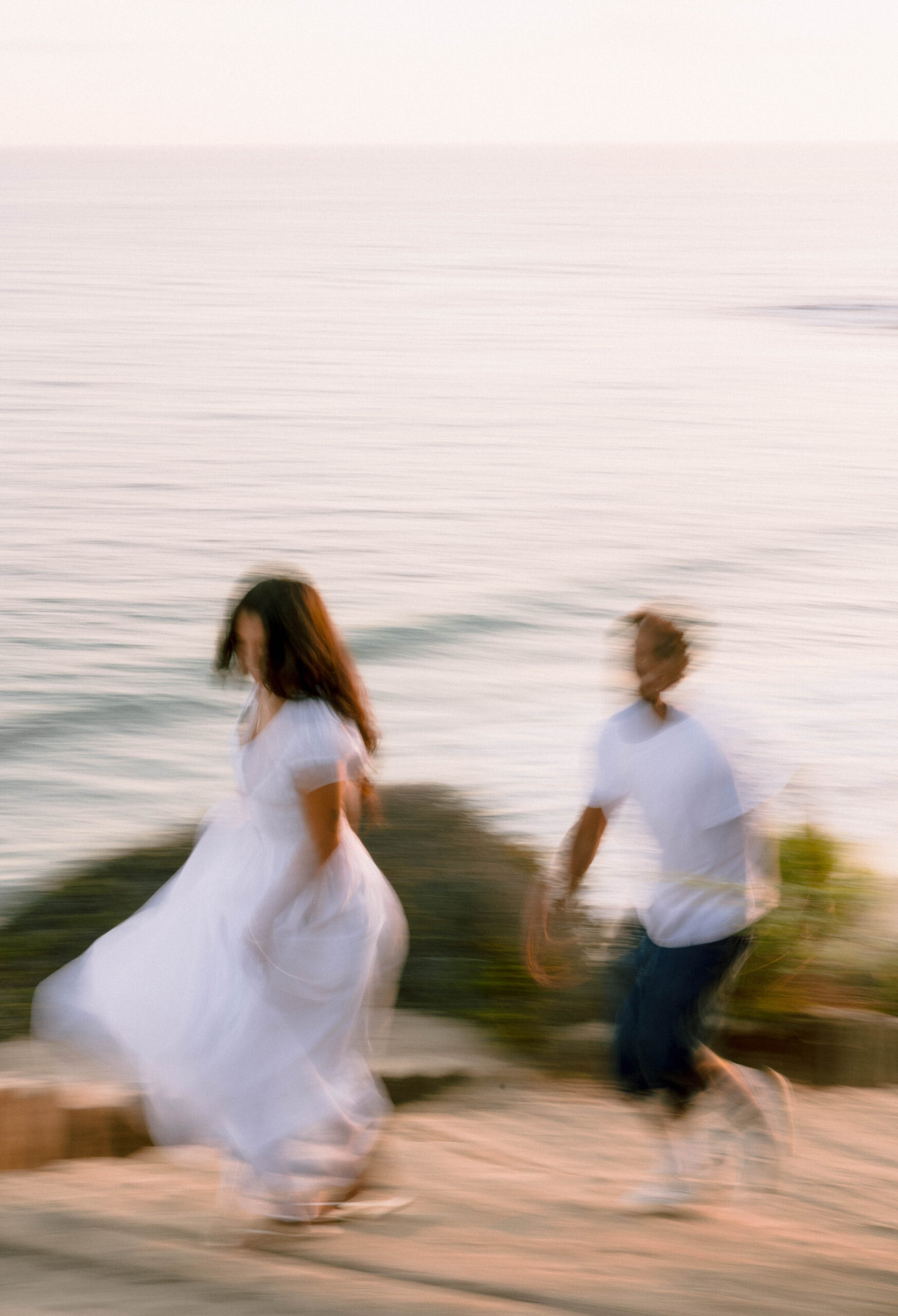
We love a meaningful off site portrait moment when it genuinely adds to the story. Maybe it is the neighborhood where you had your first date, a coastline that feels like home, or an iconic backdrop that brings your whole Los Angeles vision together. But a scenic detour is not automatically worth losing ninety minutes with the people who flew in to celebrate you.
Consider the tradeoff honestly. Travel means traffic, loading time, parking, touch ups, and a little less flexibility if something runs late. A nearby permit friendly space may give you just as much visual variety while keeping the energy high. Often, the most timeless images come from a couple who feels present and unhurried, not from the most complicated route.
If you do choose an off site location, schedule a cushion. Build in time for getting in and out, finding the exact permitted area, and breathing before photos begin. If the site is outdoors, have a weather aware backup that feels intentional rather than like a compromise.
Keep the experience calm on the day
The permit is there to support the day, not take it over. Once it is secured, let your creative team take care of the practical side while you stay in the moment. We will guide you into flattering light, watch the time, and help make room for the candid stuff too: the hand squeeze before walking in, your friends hyping you up, the laugh that happens because your veil has a mind of its own.
A good plan also leaves room for real life. Los Angeles light can be dreamy, but it can also be bright at noon or disappear faster than expected behind marine layer. A permit may give you the location, but it cannot promise perfect conditions. The best approach is to arrive with a clear visual goal and enough flexibility to respond to what the day gives us.
For couples who feel nervous in front of the camera, permits can actually be reassuring. Knowing where you are going, how long you will be there, and who is responsible for what removes a lot of guesswork. You do not need to perform for an audience or spend hours posing. You just need space to be together while your team directs when it helps and steps back when the moment is already perfect.
A few common permit surprises
Some locations require a certificate of insurance from the photography or video team. Others have rules around filming that are more detailed than their photography policy, especially if a production uses additional equipment. Drones are frequently restricted, even where standard portrait photography is approved.
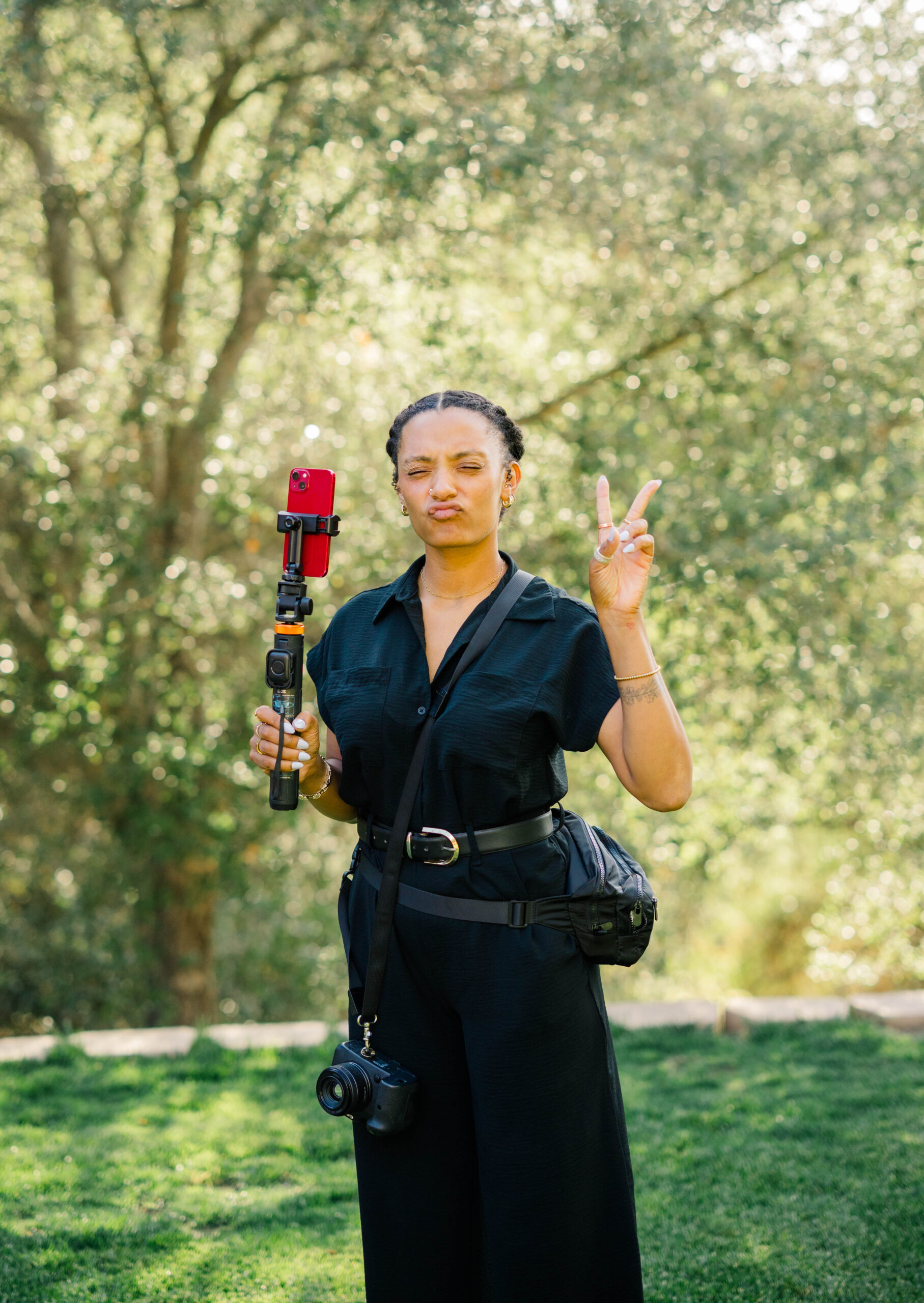
Public beaches and parks can also have changing conditions due to construction, seasonal closures, special events, or environmental protection. A permit approval is meaningful, but checking for current site notices close to your date is still wise. If a location has strict capacity rules, count everyone who will be present, including your planner, content creator, hair and makeup team if they are staying, and any family members joining portraits.
And yes, parking deserves its own attention. A permit for photography does not always include parking privileges. Confirm where your group can park, whether vehicles need a separate reservation, and how far the walk is in wedding shoes.
Let the location serve the memory
Your wedding photos should bring you back to how it felt to be there, surrounded by the people and details that made the day yours. A permit is simply one piece of making that experience feel protected, easy, and fully yours.
Choose locations that give you room to celebrate, not just a pretty backdrop. When the logistics are handled with care, you can stop thinking about rules and start soaking up the fact that you are married. That is where the magic lives!


Comments +