
The ceremony is where the room changes. Your people settle in, hands find hands, and all the planning finally becomes real. This orange county ceremony coverage guide is for couples who want photographs and films that remember more than the kiss. It is about preserving the shaky breath before you walk in, your partner’s reaction, the squeeze from a parent, and the joyful chaos waiting on the other side.
Orange County gives couples plenty of beautiful ways to say “I do,” from oceanfront vows to garden ceremonies and polished estate celebrations. But beautiful surroundings alone do not create meaningful coverage. A thoughtful plan gives you room to be fully present while your photo and video team documents the story unfolding around you.
Your Orange County Ceremony Coverage Guide
The best ceremony coverage begins with one simple question: what do you want to feel when you revisit this part of your wedding years from now? Some couples want every spoken word preserved in their film. Others care most about the faces of the people they love. Most want both, along with enough breathing room to forget the cameras are there.
That answer should shape the plan. A short ceremony with deeply personal vows may call for close visual attention and clean audio. A large ceremony with a full wedding party, cultural traditions, or live music has more movement to document and may benefit from additional camera coverage. There is no single formula, which is exactly why your team should understand what matters to you before the day arrives.
Plan for the moments before the processional
Some of the most emotional ceremony images happen before anyone reaches the aisle. A parent fixing a veil, friends adjusting a jacket, a quiet check in with your wedding party, or one last deep breath can hold just as much weight as the vows themselves.
Build a little margin into your timeline before guests are seated. You do not need to turn this time into a production. In fact, the less staged it feels, the better. A calm ten or fifteen minutes lets your photo and video team capture anticipation naturally while giving you a chance to reset together or separately before the ceremony begins.
If you are having a first look with a parent, siblings, or your wedding party, tell your team in advance. These moments move quickly, and a photographer or videographer who knows the plan can anticipate where the emotion will land without directing the room too much.
Think about your aisle from every angle
The aisle is not only a path to the altar. It is a moving story with several perspectives happening at once. One partner is waiting. Another is walking toward them. Guests are often wiping tears, smiling wide, or leaning in for a better look. Your officiant may be reacting too.
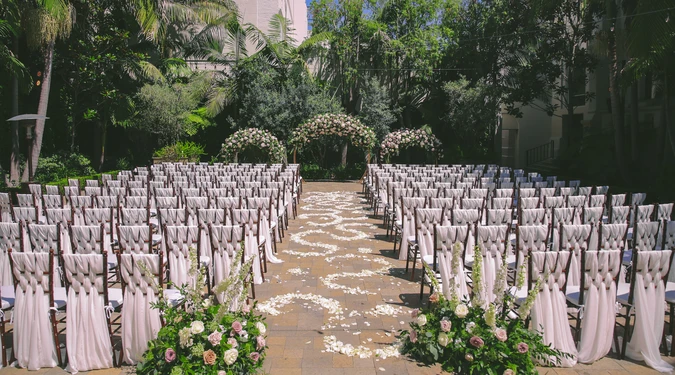
A strong team captures the aisle entrance without stepping into its center or blocking the view your guests came to see. This takes positioning, awareness, and a little trust. Ask how your team approaches the processional, especially if your ceremony layout is narrow, circular, or set against a dramatic view where there is limited room to move.
In Orange County, coastal venues can add another consideration: wind. It can move veils beautifully and create energy in a film, but it also affects hair, florals, sound, and where cameras can be placed. Your creative team and planner can make small adjustments that protect the experience without changing the feeling of the setting.
Ceremony Coverage That Feels Like You
Your ceremony should not become a photo shoot. The goal is for you to see your people, hear your vows, and stay inside the moment. The right photographers and videographers will be present, prepared, and unobtrusive when it matters most.
For photography, that often means working with a mix of wider frames and intimate closeups. Wide images remember the full scene, your ceremony design, the landscape, and the people gathered in one place for you. Close frames hold onto expression: a tearful laugh, intertwined fingers, or the second your face softens when you hear a line in the vows you did not expect.
For video, audio is part of the emotional memory. Vows, readings, toasts from an officiant, and ambient sound from the crowd give your film its heartbeat. Ask your videography team how they capture ceremony audio and what they need from your officiant, DJ, or venue coordinator. A quick conversation before the wedding can prevent awkward surprises when it is time to begin.
Give your officiant a heads up
Your officiant sets the rhythm of the ceremony, so include them in the coverage conversation. Some officiants are happy to step aside during the first kiss. Others prefer a traditional position throughout. Neither approach is wrong, but knowing their preference helps your visual team prepare.
It also helps to ask that the officiant avoid standing directly between you during key moments when possible. A thoughtful position can make a huge difference in your final images while keeping the ceremony focused exactly where it belongs: on the two of you.
If you are writing your own vows, consider whether you want to hold printed copies, a vow book, or your phone. Printed vows and vow books tend to feel more timeless in photos. More importantly, choose the option that helps you speak from the heart without worrying about losing your place.
Protect the guest experience, too
Your guests are part of your ceremony story. The reactions from your favorite people are often the images that surprise couples most after the wedding. That only happens when guests can be present rather than competing for a view with their own phones.
An unplugged ceremony can be a lovely choice, especially if you value clean images and an intimate atmosphere. You can make the request warmly with a sign, a note in your program, or a short message from the officiant. If you do not mind phones, that is completely fine too. Just know that a few devices in the aisle may appear in your photos, particularly during the processional and first kiss.
The bigger priority is giving guests clear sightlines. Avoid placing large decor pieces where they block faces, and consider the view from the first few rows when arranging chairs. A ceremony space that feels comfortable and connected will look that way in your gallery and film.
Timing, Light, and the Reality of the Day
A sunset ceremony sounds romantic, and it absolutely can be. It also requires honest timeline planning. If you are getting married close to sunset, your ceremony may finish with very little daylight left for family photos or newlywed portraits. This is not a reason to skip the golden hour dream. It just means deciding which moments deserve the best available light and building the day around that choice.
Many couples choose to take portraits before the ceremony, whether through a first look or a private pre ceremony moment. That can create more relaxed time after you are married, letting you head toward cocktail hour sooner. Other couples prefer to wait and see each other at the aisle. Both options can create incredible photographs. The right one is the option that feels emotionally true to you.
For outdoor ceremonies, ask your venue about the direction of the sun at your ceremony time. Harsh backlight can be gorgeous when planned well, while direct midday sun can make it harder for you and your guests to stay comfortable. Shade, even lighting, and a clear plan for unexpected weather help everyone look and feel their best.
Leave room for what you cannot plan
The flower girl might decide the aisle is the perfect place for a dance break. Someone may laugh during the vows. Your grandparents could reach for each other at precisely the moment you say “I do.” Those are not interruptions. They are the living details that make your ceremony yours.
Share the important logistics, family dynamics, and meaningful traditions with your photo and video team. Then let go of the need for every second to look perfect. The photographs and films you treasure most will likely be the ones that bring you back to how loved, nervous, thrilled, and completely surrounded you felt.
Choose a team you can relax around, then give yourselves permission to be fully there. Your ceremony only happens once, but the feeling of it can stay close for a lifetime.


Comments +