
The question of digital versus film wedding photography is rarely just about a camera. It is about how you want your wedding to feel when you look back years from now. Do you picture crisp color, every tiny expression, and a full record of the celebration? Or do you love the softer, luminous, slightly imperfect character that makes an image feel like a memory from the moment it is made?
Both can be beautiful. Both can tell a deeply emotional story. The right choice comes down to your visual taste, the rhythm of your day, and the kind of experience you want with the people documenting it.
Digital Versus Film Wedding Photography: The Real Difference
Digital photography captures images with a sensor, allowing your photographer to review images quickly and adjust to changing conditions as the day unfolds. It is wonderfully responsive. A ceremony that begins in bright sun and ends after sunset, a packed dance floor with shifting colored lights, a fast moving first look with happy tears everywhere: digital handles these moments with range and flexibility.
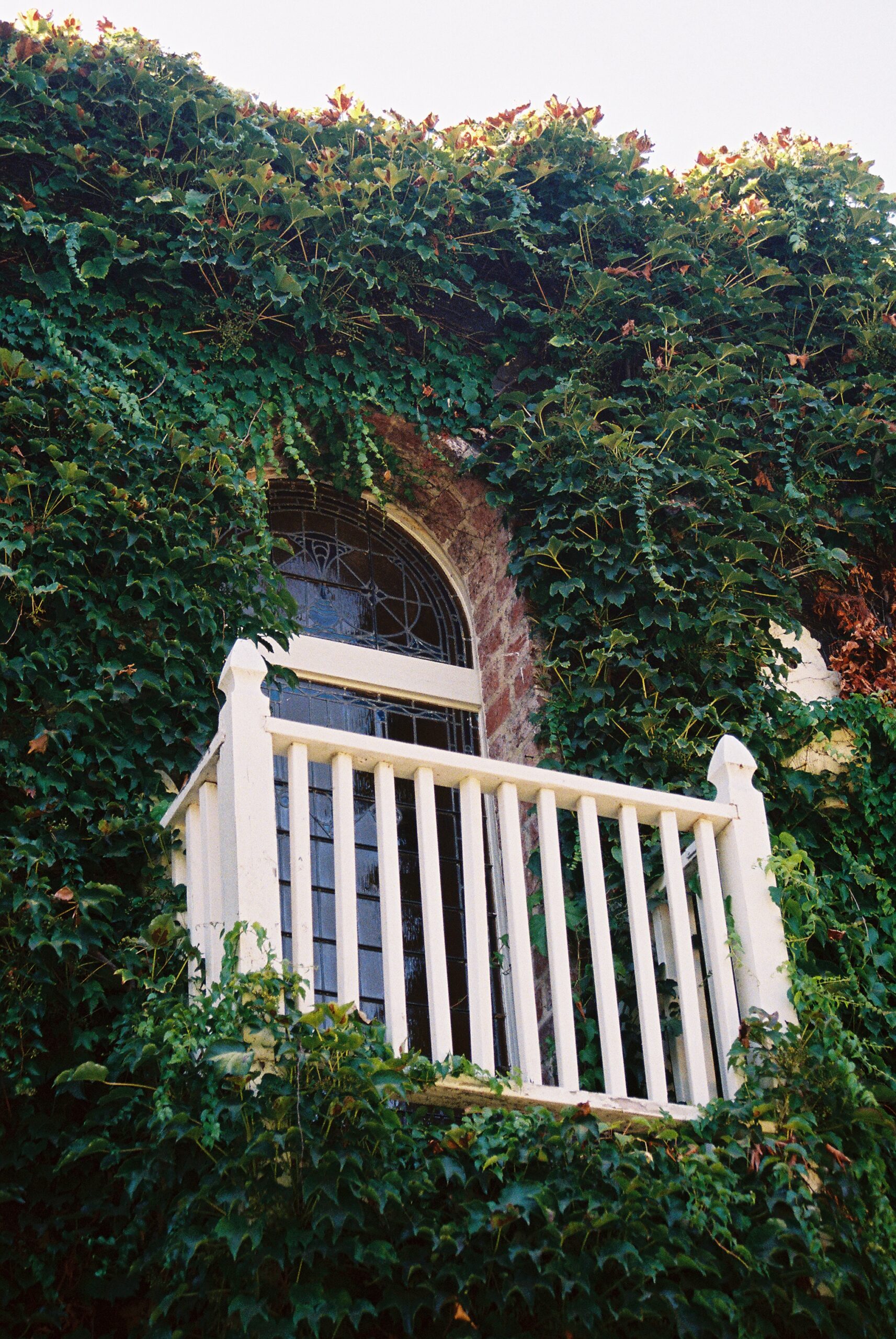
Film photography uses physical rolls of film that are developed and scanned after the wedding. That process gives film its signature character. Skin tones can feel creamy, highlights often have a gentle glow, and grain adds texture that many couples associate with nostalgia and romance.
Neither format is automatically more meaningful. A gorgeous photograph is built on timing, composition, trust, and the person behind the camera. The format shapes the final texture, but it cannot replace a photographer who knows when your mom is about to tear up, when your friends are about to lose it on the dance floor, or when a quiet hand squeeze deserves to be remembered.
What Digital Does Beautifully
Digital is an exceptional fit for couples who want broad, reliable coverage of their full wedding story. It makes it possible to photograph quickly during high energy moments without holding back. Your photographer can capture the kiss, your grandparents clapping, your best friend’s reaction, and the flower girl spinning in the aisle, all within seconds.
It also performs especially well in difficult lighting. Think dim receptions, candlelit dinners, getting ready rooms with mixed window and indoor light, and nighttime portraits under the city glow. A skilled digital photographer can preserve detail while keeping the mood of the space intact.
The finished look does not have to be sharp or overly polished, either. Digital editing can be warm, true to life, editorial, moody, or softly romantic. The biggest advantage is control. Your photographer has room to adapt in real time while maintaining consistency across an entire gallery.
What Film Does Beautifully
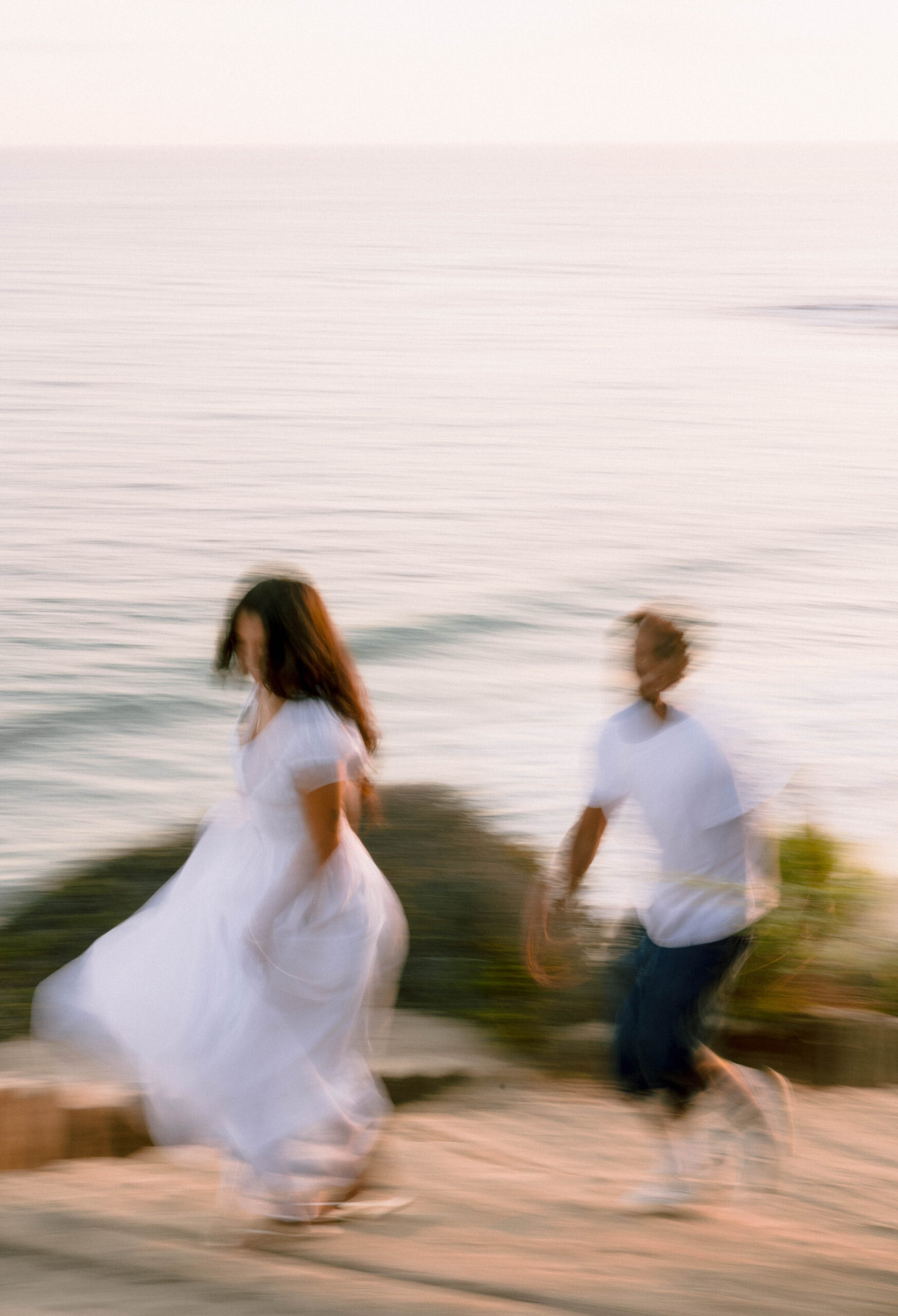
Film has a presence that is hard to imitate exactly. It can make a white dress feel luminous without looking sterile and render skin in a way that feels gentle and alive. There is often a softness in the highlights, richness in the color, and natural grain that gives an image depth without making it feel overworked.
Film also asks everyone to slow down a little. Since each frame matters, photographers tend to be intentional about the moment before pressing the shutter. That can be especially lovely during portraits, quiet getting ready scenes, and sunlit outdoor celebrations where the light has room to breathe.
Still, film is not magic just because it is film. It needs good light, thoughtful exposure, and a photographer who truly understands the medium. It is also less forgiving when conditions shift quickly. A dark reception, fast action, or a timeline running behind can make film more challenging, not impossible, but challenging.
How the Format Shapes Your Wedding Day
The most practical difference is not only what your gallery looks like. It is how your photographer works throughout the day.
Digital allows for more volume and more immediate adjustment. If a cloud moves over your ceremony or your reception lighting changes colors every few seconds, your photographer can react without missing the feeling of the moment. For a wedding with a large guest count, an active dance floor, or lots of moving parts, that flexibility can be a huge gift.
Film can bring a more measured approach. This is not a bad thing. For couples who care deeply about intentional portraits and an artful, editorial mood, that pace may feel perfect. But it is worth being honest about your priorities. If your dream gallery includes hundreds of candid guest moments and every wild second of the party, a digital focused approach will usually offer more coverage.
There is also the delivery experience. Digital images can be backed up immediately and typically move through the editing process more efficiently. Film must be developed, scanned, and carefully edited after those scans are received. The wait can be worthwhile for couples who love the result, but it should be part of the conversation before booking.
Choosing What Fits Your Visual Taste
Start with images, not labels. When you save wedding photographs, what are you responding to? Maybe it is clean color and detailed nighttime portraits. Maybe it is sun soaked skin, gentle grain, and images that feel a little like found family photographs. Maybe you love both.
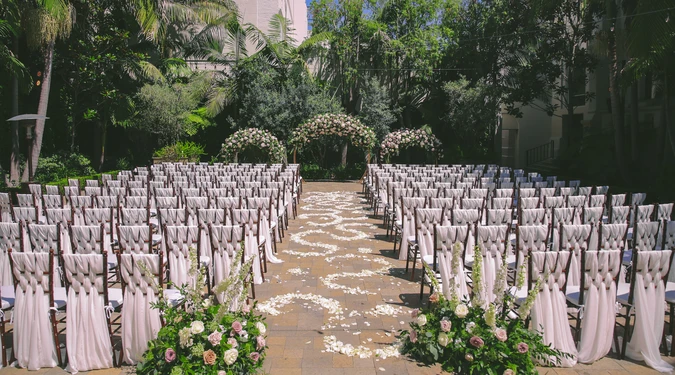
If you are drawn to refined images with true color, lots of candid movement, and confident coverage in every lighting situation, digital may be the natural choice. It is especially well suited to Southern California weddings that move from bright outdoor ceremonies to darker receptions, often in the same day.
If your heart skips for soft light, organic texture, and a more nostalgic finish, film may be worth prioritizing. Just make sure your wedding schedule supports it. Film shines when there is thoughtful portrait time, access to beautiful natural light, and room for your photographer to work with intention.
Your venue matters too. A bright garden, coastal setting, or airy estate can be dreamy for film. A dark restaurant, nightclub inspired reception, or indoor ceremony with limited light may call for digital coverage, even if you love the look of film. The answer does not need to be all or nothing.
Why a Hybrid Approach Can Be So Special
Many couples do not actually need to choose one side. Hybrid coverage combines the reliability of digital with the romance of film. Your major events and fast moving moments can be documented digitally, while select portraits and detail images are captured on film.
This approach can give your gallery visual variety without leaving the important moments to chance. You might receive crisp, joy filled photos of your ceremony and reception alongside film frames of your veil catching the light, your hands intertwined, and the just married quiet that happens after the crowd steps away.
A hybrid approach works best when it is purposeful rather than trendy. Film should complement your story, not distract from it. The final gallery should still feel cohesive, personal, and full of the people who made the day matter.
The Photographer Matters More Than the Format
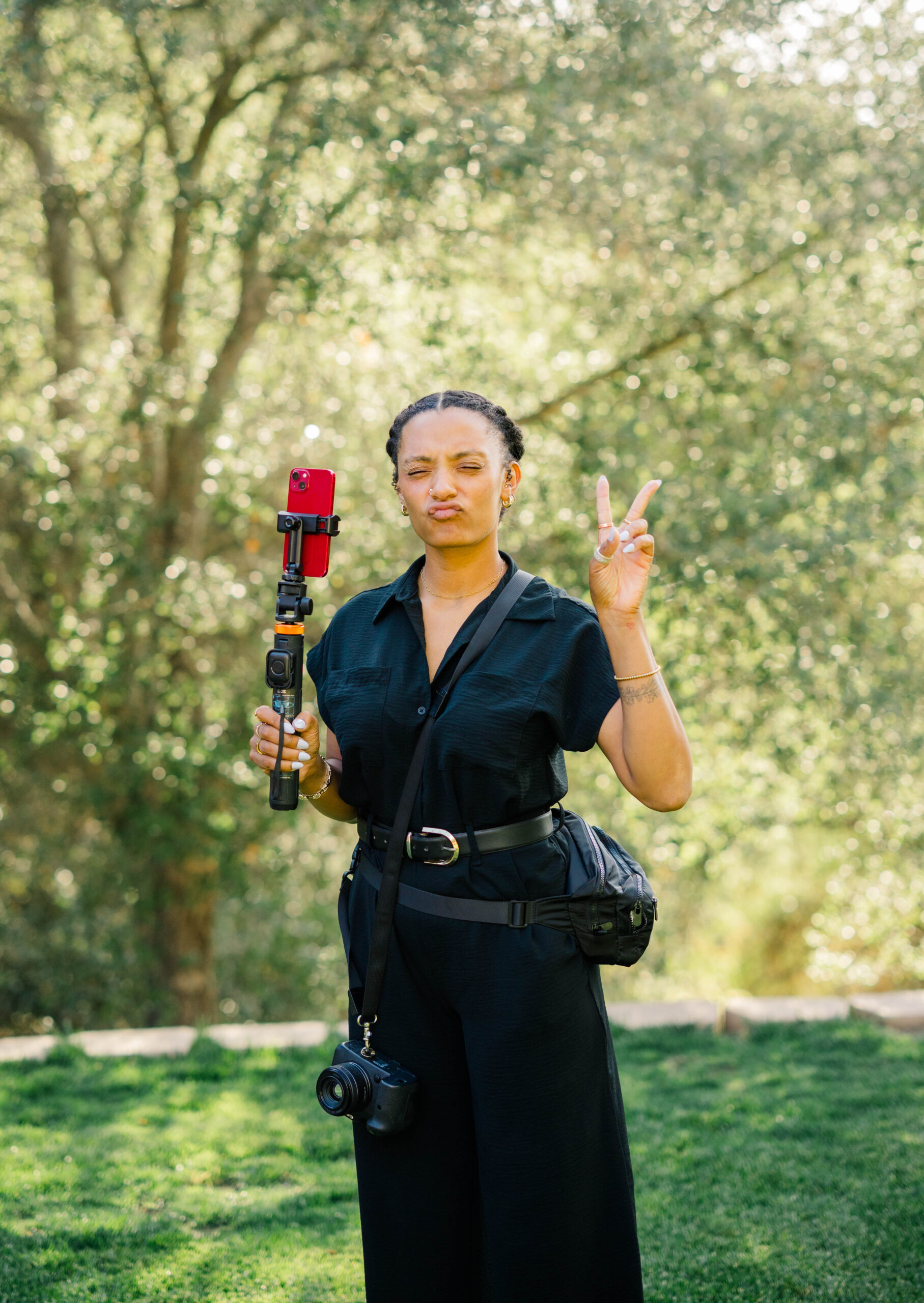
The camera is only one part of the equation. The person holding it needs to read a room, guide you without making you feel posed, and know when to step back so real life can happen. They should be ready for the planned moments and even more ready for the ones no timeline could predict.
Ask to see full wedding galleries in lighting similar to yours. Pay attention to skin tones, reception images, family photos, and candid reactions, not only the portraits you see on social media. Ask how the photographer handles rain, dark spaces, a late timeline, and family dynamics. Those answers will tell you far more about your experience than a camera label ever could.
At The Jaramillos, we believe your photographs should hold both the iconic moments and the wonderfully unplanned ones. The big kiss matters. So does the look on your sibling’s face, the laugh that takes over during portraits, and the way your people fill a room with love.
Choose the format that makes you feel excited to be seen, then choose a team you trust to notice what cannot be recreated. Your wedding photographs should not simply prove that the day happened. They should bring you back to how fully it was loved.


Comments +