
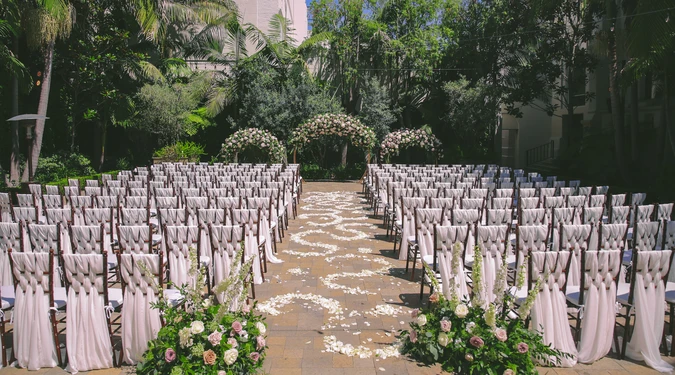
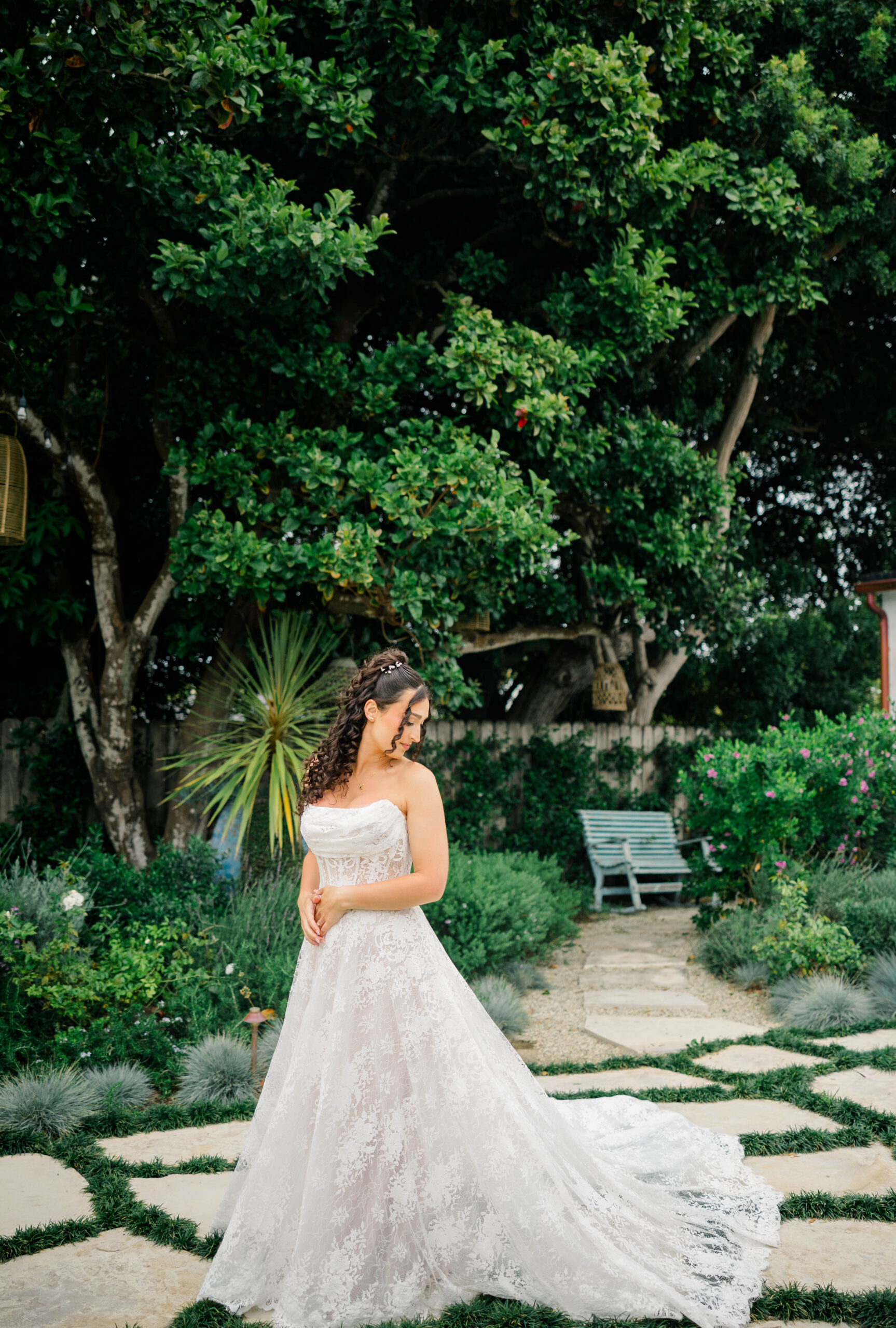
A fashion forward ceremony in a sunlit Los Angeles estate. A sleek gown, sculptural florals, candlelight, and a room full of people who know exactly how hard you have loved to get here. Editorial weddings are having a moment because they look incredible, yes, but the best ones do not feel like a magazine spread at the expense of a real celebration. They feel like you, just seen with intention.
The goal is not to perform perfection for the camera. It is to create a wedding that holds your taste, your energy, and the people who make your life feel full. When the design, pace, and photography work together, the result can be artful without becoming stiff, polished without losing its pulse.
What Makes Editorial Weddings Feel Different
Editorial style is often associated with refined imagery, intentional composition, elevated fashion, and a strong point of view. You might picture clean architecture, textured tablescapes, dramatic light, and portraits that would look right at home in print. Those elements matter, but they are only part of the story.
A truly editorial wedding has a clear visual language. Maybe your celebration is modern and architectural. Maybe it is romantic, old world, colorful, or quietly minimal. Every choice does not need to match perfectly, but the details should feel connected. Your venue, attire, floral direction, paper goods, and lighting can all support the same feeling without looking overly styled.
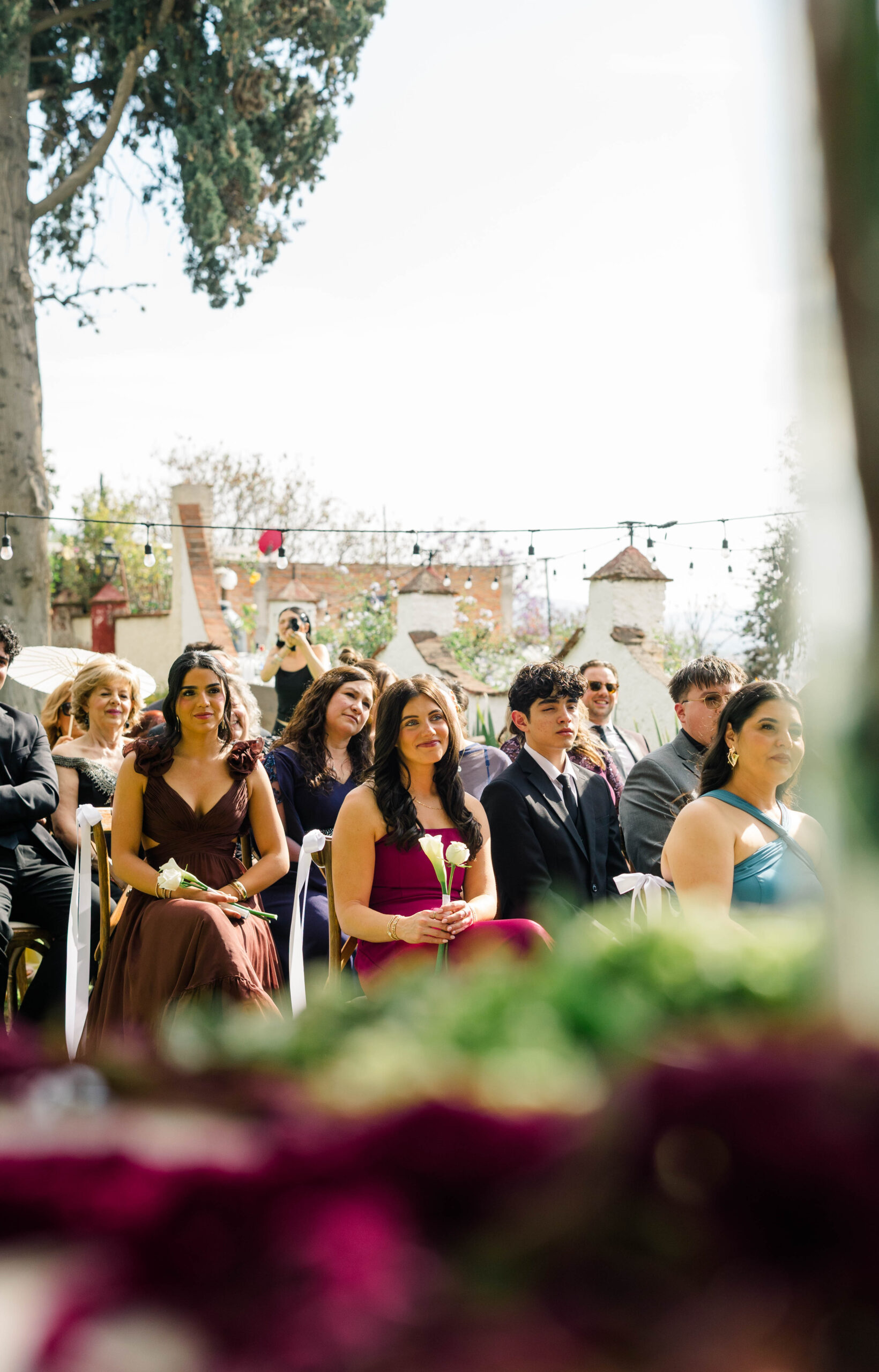
The part couples sometimes miss is that an editorial approach also asks for presence. The images land because there is a real story beneath the beautiful frame: your hands shaking before the ceremony, your best friend fixing your veil, your grandparents taking in the room, everyone losing it on the dance floor. A gorgeous photo means more when it brings you right back to the feeling.
Start With a Vision, Not a Mood Board Spiral
Mood boards are helpful until they become a thousand competing ideas. Before saving another image, get specific about how you want the day to feel. Do you want guests to walk into something intimate and candlelit? Do you want a high energy dinner that turns into a packed dance floor? Do you want your portraits to feel playful, cinematic, romantic, or a little bit daring?
Choose three to five words that genuinely describe your vision. Think polished, warm, expressive, modern, soft, joyful, or dramatic. Those words become a filter for every decision. If a design choice is beautiful but does not support the feeling you want, you can let it go.
This is especially useful for couples planning a wedding in Southern California, where the options can feel endless. A coastal venue calls for a different approach than a downtown space or a private estate. Instead of forcing a trend into a setting, let the location give you something to work with. Great editorial design responds to its environment.
Let Your Personal Style Lead
Your wedding wardrobe is one of the clearest ways to make elevated imagery feel personal. The best choice is not always the gown or suit everyone is saving online. It is the one that makes you stand taller, move naturally, and feel undeniably like yourself.
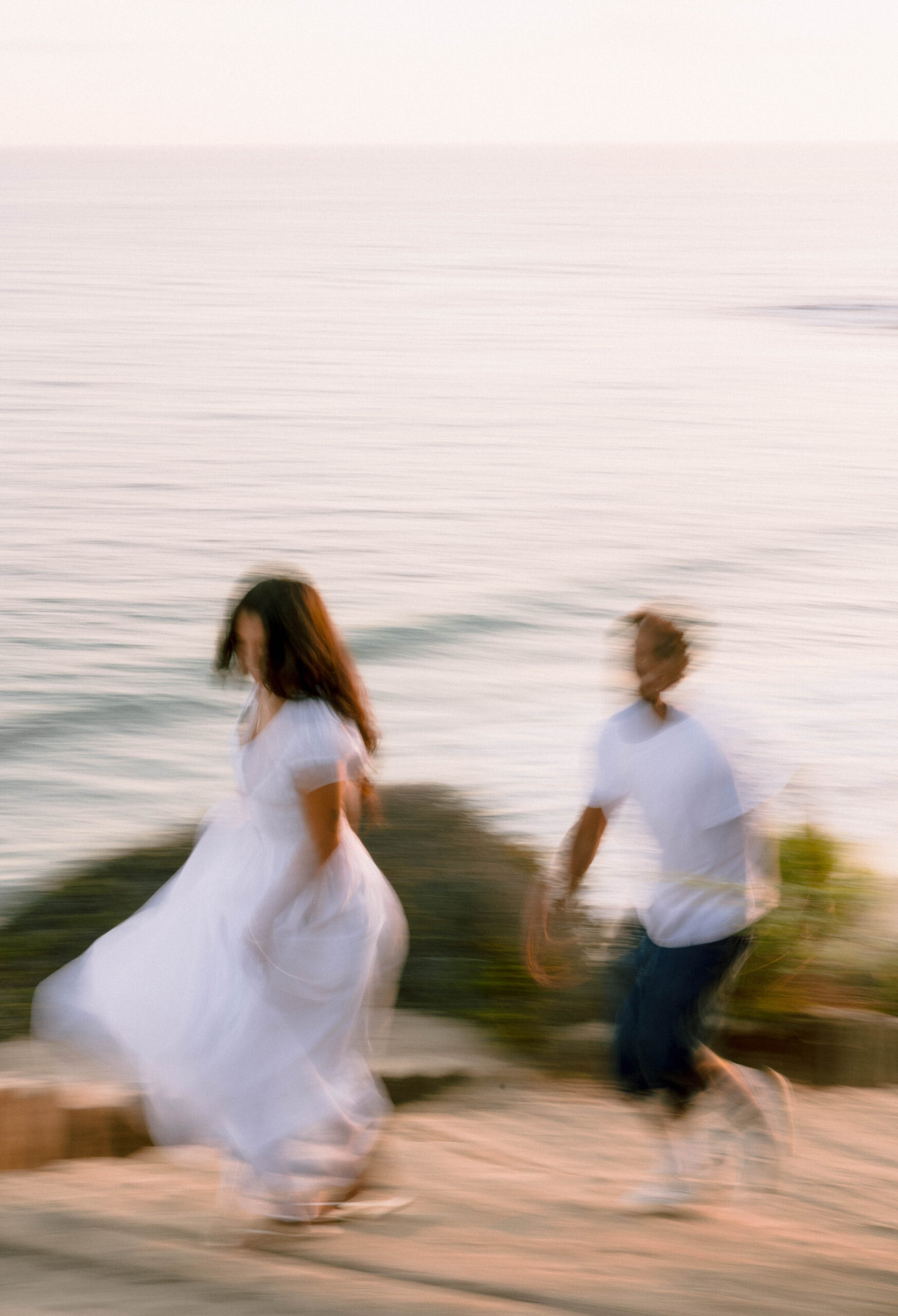
Consider how your outfit photographs in motion, not just when you are standing still. Fabric, fit, and movement all shape the final images. A dramatic train can create beautiful portraits, while a second look might give you the freedom to fully enjoy dinner and the dance floor. Both can work. It depends on whether the extra change adds excitement or creates unnecessary pressure in your timeline.
Build In Room for Real Life
An editorial wedding does not require every moment to be directed. In fact, the most memorable galleries balance guided portraits with honest observation. You deserve a few intentional minutes for beautifully composed images, and you also deserve to forget the camera is there while you hug your dad, steal a bite of dinner, or laugh so hard your makeup needs a touch up.
That balance starts with a timeline that breathes. Rushing from one formal moment to the next can make even the most stunning wedding feel tense. Build in a little margin before the ceremony, during portraits, and before the reception opens. It gives you space to be present, and it gives your photo and video team the chance to capture what cannot be recreated.
The Photos Should Have Polish and a Pulse
Editorial photography is not a request to look serious in every frame. It is thoughtful direction paired with an eye for natural connection. Your photographer may guide your posture, place you in flattering light, or ask you to walk together slowly. Then, the magic usually happens in the tiny reactions between prompts: the glance, the whispered joke, the way you reach for each other without thinking.
If being photographed makes you nervous, you are not alone. You do not need to arrive knowing how to pose. The right team will read the room, give clear direction when it helps, and step back when the moment belongs to you and your people. A little laughter goes a long way. So does working with professionals who feel less like distant vendors and more like trusted collaborators.
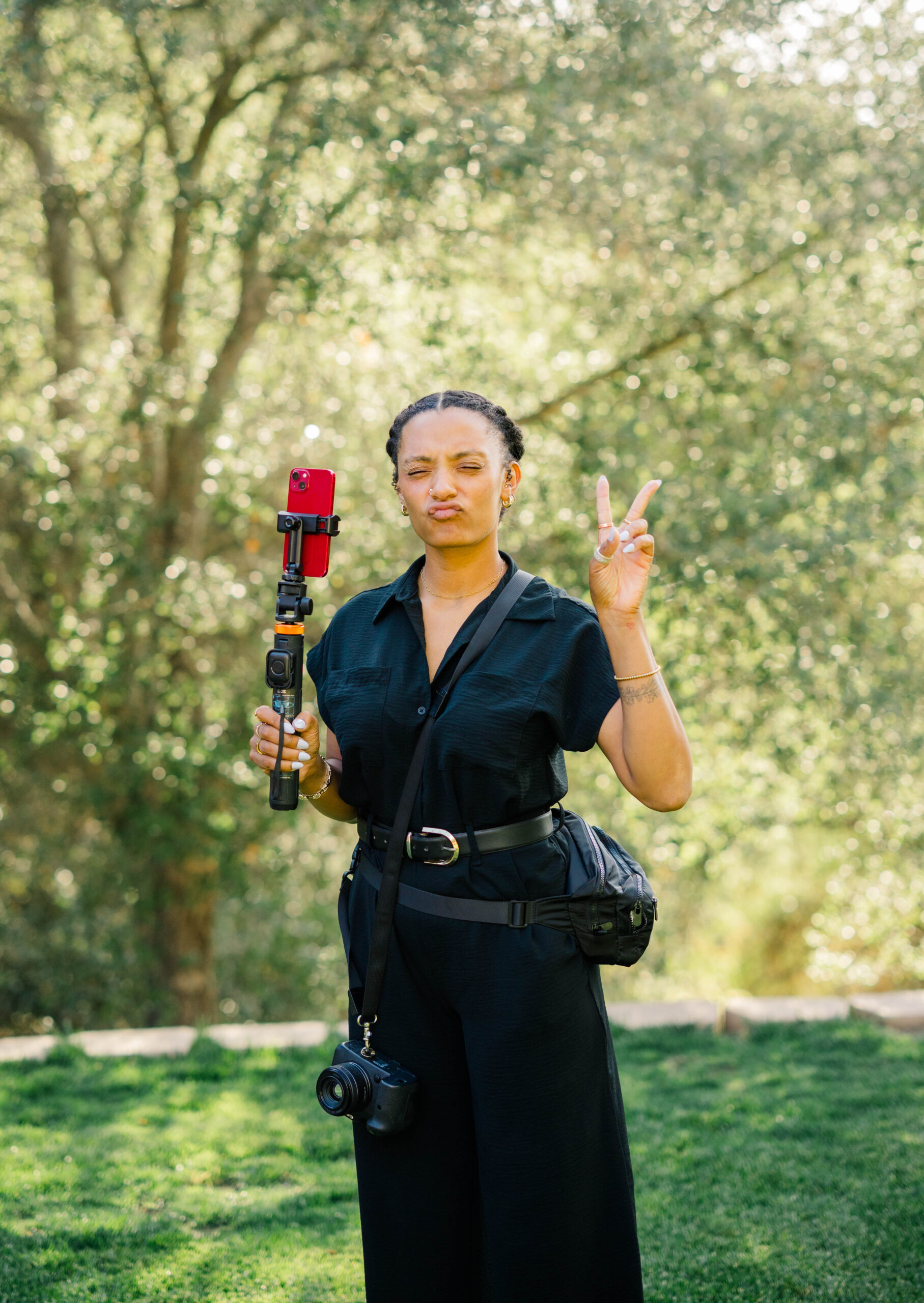
At The Jaramillos, that full story approach means making space for the magazine worthy portrait and the unscripted moments around it. Your gallery should include the details you poured your heart into, but it should also hold the people who made the day matter.
Design for the Guest Experience, Too
A wedding can be visually stunning and still feel flat if guests are treated like background scenery. The most successful editorial celebrations invite people into the experience. Think about the moment they arrive, the music they hear during cocktail hour, the warmth of the lighting at dinner, and the small details that signal, “We are so happy you are here.”
This does not mean you need a huge production. A meaningful welcome note, a seating display that reflects your style, a favorite late night snack, or a packed dance floor can do more for the atmosphere than another decorative layer. The camera notices when guests feel comfortable, connected, and ready to celebrate.
There is a practical tradeoff here. Some design choices are made primarily for photographs, and that is completely valid. Just make sure they do not interfere with comfort or flow. Low lighting may look romantic, for example, but guests still need to see their meal and find their seats. Tall centerpieces can be dramatic, but they should not block conversations across the table. The best designs make room for both beauty and ease.
Choose Timeless Over Copying a Trend
Trends can be a fun starting point, especially when they give language to something you already love. But a wedding should not feel dated because it was built around whatever appeared most often on your feed that year. Use trends as accents, not instructions.
Timeless does not mean plain or safe. It means the heart of your wedding is rooted in your actual taste. Maybe that is a bold color, a sculptural cake, an unconventional ceremony setup, or a tiny guest count with an unforgettable dinner. When a choice feels personal, it tends to age beautifully because it tells the truth about who you were at this moment in your lives.
Your wedding does not have to choose between artful and emotional. Let the flowers be incredible. Let the portraits be cinematic. Then let yourselves cry during the vows, run late because you are hugging everyone, and dance with your shoes off if that is where the night takes you. Those are the images that will keep getting better with time.


Comments +