
Your wedding gallery should not make you choose between looking incredible and remembering how the day actually felt. Photojournalism versus posed portraits is often framed as an either or decision, but the most meaningful wedding coverage makes room for both. You deserve the happy tears, the dance floor chaos, the polished portraits, and every little glance that would have disappeared if no one was paying attention.
What photojournalistic wedding photography captures
Photojournalistic photography is rooted in observation. Rather than constantly arranging a moment, your photographer watches for the emotion already unfolding and documents it with care. Think of your partner taking a deep breath before the ceremony, your grandmother squeezing your hand during dinner, or your friends losing it when your favorite song comes on.
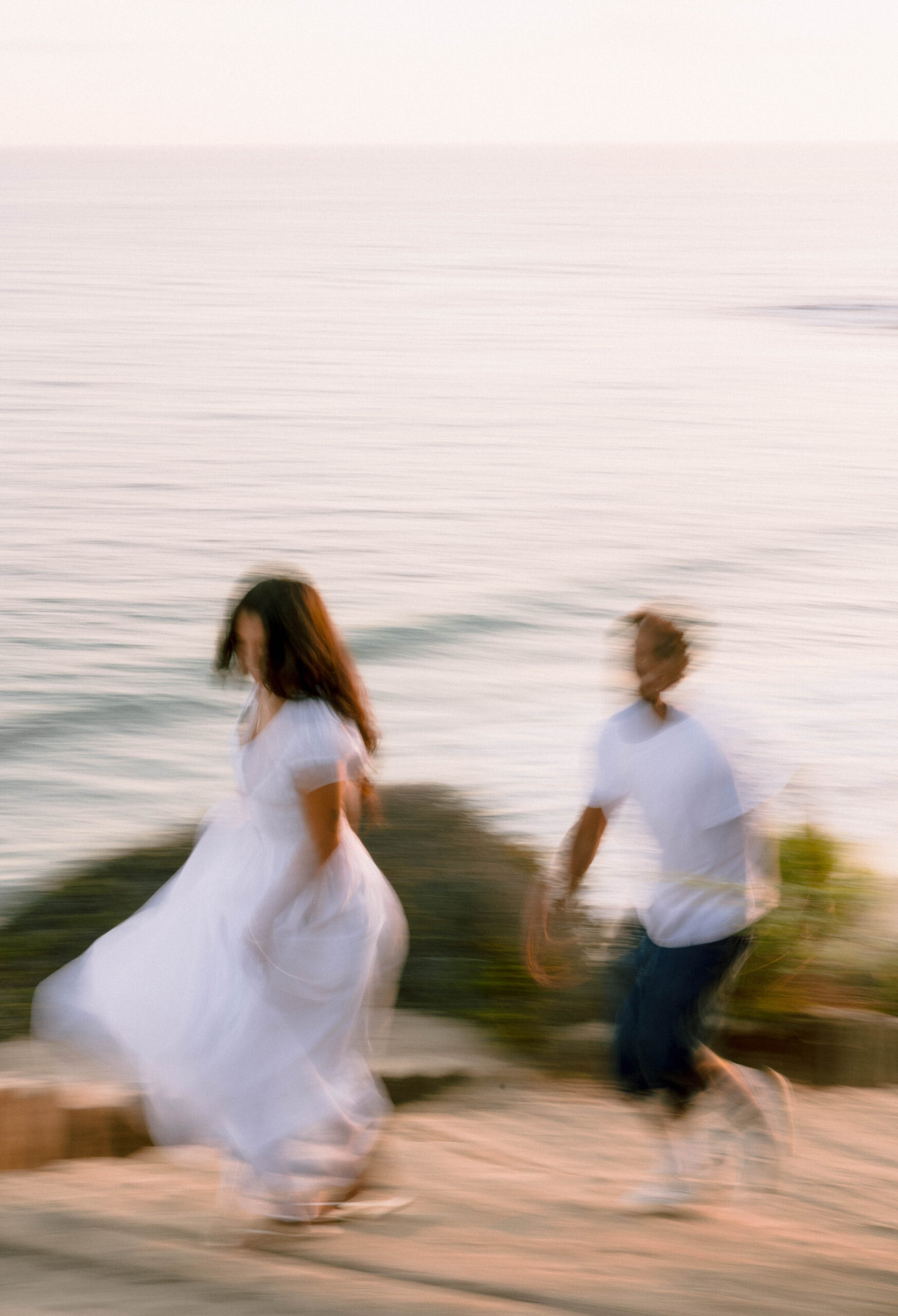
These images carry movement, context, and personality. They show the people who surrounded you, not just the two of you. Years from now, a candid photo of your dad laughing with his siblings or your maid of honor fixing your veil may bring back the energy of the day in a way that a perfectly posed image cannot.
The best candid work is not accidental, though. It takes anticipation, timing, and a photographer who is fully present. We are watching for the tiny gestures, shifting light, meaningful reactions, and wonderfully unplanned moments that make your celebration yours.
Candid does not mean invisible
Some couples hear “photojournalism” and picture a photographer standing quietly across the room all day. There are moments when that distance is helpful, especially during your ceremony, speeches, and emotional family interactions. But wedding photography is also a relationship.
A great team knows when to give you space and when to step in with calm direction. We can help you find beautiful light, straighten a jacket, bring the energy when portraits start to feel awkward, then fade back so you can be completely present with your people. The goal is never to make your wedding feel like a production. It is to help you experience it more fully.
What posed portraits bring to your story
Posed portraits are the intentional images where you are guided into a setting, given a little direction, and photographed with purpose. That might mean a timeless portrait of the two of you after your first look, a joyful group photo with your wedding party, or a family image your parents will print and keep forever.
These photographs have their own kind of magic. They give you space to pause in the middle of a fast moving day and take in what just happened. They also make sure the people and relationships you most want documented do not get missed in the beautiful unpredictability of a wedding.
Good posing should never feel stiff. The strongest portraits are built around connection, not a long list of complicated instructions. A simple prompt can create movement and genuine expression: walk together, tell each other what you are most excited for, pull your best friend close, or take one quiet breath before the reception begins. You are not expected to perform. You are simply given a moment to be together.
Portraits can still feel like you
If being photographed makes you nervous, posed portraits may sound like the part of the day you will need to survive. That is exactly why the approach matters. You do not need to know what to do with your hands or practice serious editorial faces in the mirror.
Your photographers should give clear, easy direction, keep the pace moving, and make room for laughter. Some couples want a more fashion forward feel. Others want their portraits to look soft, relaxed, and unfiltered. Both are valid. The right approach reflects your personality while creating images with visual longevity, not images that feel borrowed from a passing trend.
Photojournalism versus posed portraits is not a battle
For most weddings, the question is not which style wins. The better question is what balance will help your day feel easy while giving you a full, honest record of it.
A wedding with only candid coverage can leave you wishing you had a few more intentional photos with your family or a truly stunning portrait of the two of you. A wedding with only posed images can look gorgeous while missing the reactions and in between moments that hold the real heartbeat of the day.
The sweet spot is usually thoughtful direction wrapped around authentic experience. Your portrait time is planned with enough breathing room to create beautiful images, while the rest of the day is documented as it naturally unfolds. You get photos that look elevated and photos that feel alive.
This balance is especially valuable for couples planning a full wedding weekend or a celebration with a lot of beloved guests. You are investing in an experience, not just a timeline. Your photography and videography should preserve the major milestones along with the stories happening at the edges of the room.
How to decide what balance feels right for you
Start by thinking about the images you return to again and again. Are you drawn to a quiet portrait where you can see the connection in your faces? Do you love a photo packed with movement, friends, and imperfect joy? Most likely, the answer is both, but your instinct can help shape priorities.
Your timeline matters too. If portraits are a high priority, give them real space rather than trying to squeeze every family grouping, wedding party photo, and couple portrait into ten rushed minutes. A first look can create more flexibility, but it is not required. Couples who prefer to wait until the ceremony can still have a relaxed portrait experience with intentional planning.
Consider the atmosphere you want during cocktail hour and the reception. If you want to spend every possible minute with guests, we can work efficiently before the ceremony and capture a smaller set of couple portraits afterward. If sunset photos are nonnegotiable, it helps to protect a short window for them. This is not about making the schedule rigid. It is about making sure your priorities have room to happen.
Tell your photographer what matters emotionally
A shot list is useful for formal family portraits and a few must have details, but it cannot replace conversation. Tell your team who you are closest to, which traditions carry weight, and where you expect the emotional moments to happen. Mention the friend group that has known you since college, the aunt who helped raise you, or the parent you know will be trying not to cry.
Those details help photographers recognize significance as it unfolds. They also help us care for the room better. When we understand your people, we can capture your wedding as a story of relationships rather than a collection of pretty scenes.
A calm plan makes more natural photos
Ironically, candid images often begin with excellent preparation. When your photo team knows the timing, lighting, locations, family dynamics, and key priorities, they can move through the day with confidence instead of pulling you away repeatedly to solve problems.
Build in buffer time where you can. Give yourself a little more getting ready time than you think you need. Keep family portrait groups organized. Choose a getting ready space with room to move. Let your photographer know if a location has special meaning or if there is a surprise planned. These small choices protect the feeling of ease that makes real emotion visible.
At The Jaramillos, we love being the professional third wheels who can hype you up, keep things flowing, and recognize when it is time to step back. You should feel supported, never managed. The best images happen when you trust the people behind the camera enough to forget they are there sometimes.
Let the photographs hold both the feeling and the frame
Your wedding day will move faster than anyone warns you it will. The flowers, the music, the vows, the late night hugs, and the faces in the room all deserve to be remembered with intention. Give yourself permission to want artful portraits and wildly honest moments. The gallery that lasts is the one that lets you see how beautiful it looked and feel how deeply it was loved.


Comments +