
The photos people come back to are rarely the ones where everyone is perfectly still. They are the ones where your hands find each other without thinking, where you laugh because someone whispered something ridiculous, and where you can almost hear the room again. Natural wedding posing techniques are not about pretending the camera is not there. They are about giving you enough direction to feel confident, then leaving room for your real connection to show up.
If being photographed makes you nervous, you are very much not alone. Most couples have never spent hours in front of a professional camera, especially not while managing a full wedding day, formal clothes, emotional family moments, and a timeline that moves fast. The goal is not to turn you into models. It is to help you feel like yourselves, just a little more present, a little more intentional, and very well lit.
Natural Wedding Posing Techniques Start With Trust
A relaxed photo experience starts long before your photographer says, “Look over here.” It starts with trust. When you feel comfortable with the people documenting your day, you stop wondering what your face is doing and start paying attention to your partner. That shift is where the good stuff lives.
The best direction is clear but never controlling. Instead of asking you to hold a complicated pose for too long, a photographer might place you near good light, adjust a hand or shoulder, then give you something simple to do together. Walk slowly. Pull each other close. Tell them what you were thinking right before the ceremony. Take a breath and look at the room you built together.
These prompts create movement and give your hands, eyes, and energy somewhere to go. More importantly, they invite a genuine response. A beautiful image can be carefully composed and still feel completely alive.
Start With a Comfortable Foundation
Natural does not mean unposed. A small amount of structure helps every couple look more comfortable on camera. Begin with posture that feels grounded: shoulders relaxed, weight shifted naturally, knees soft, and your bodies close enough to create a connection in the frame.
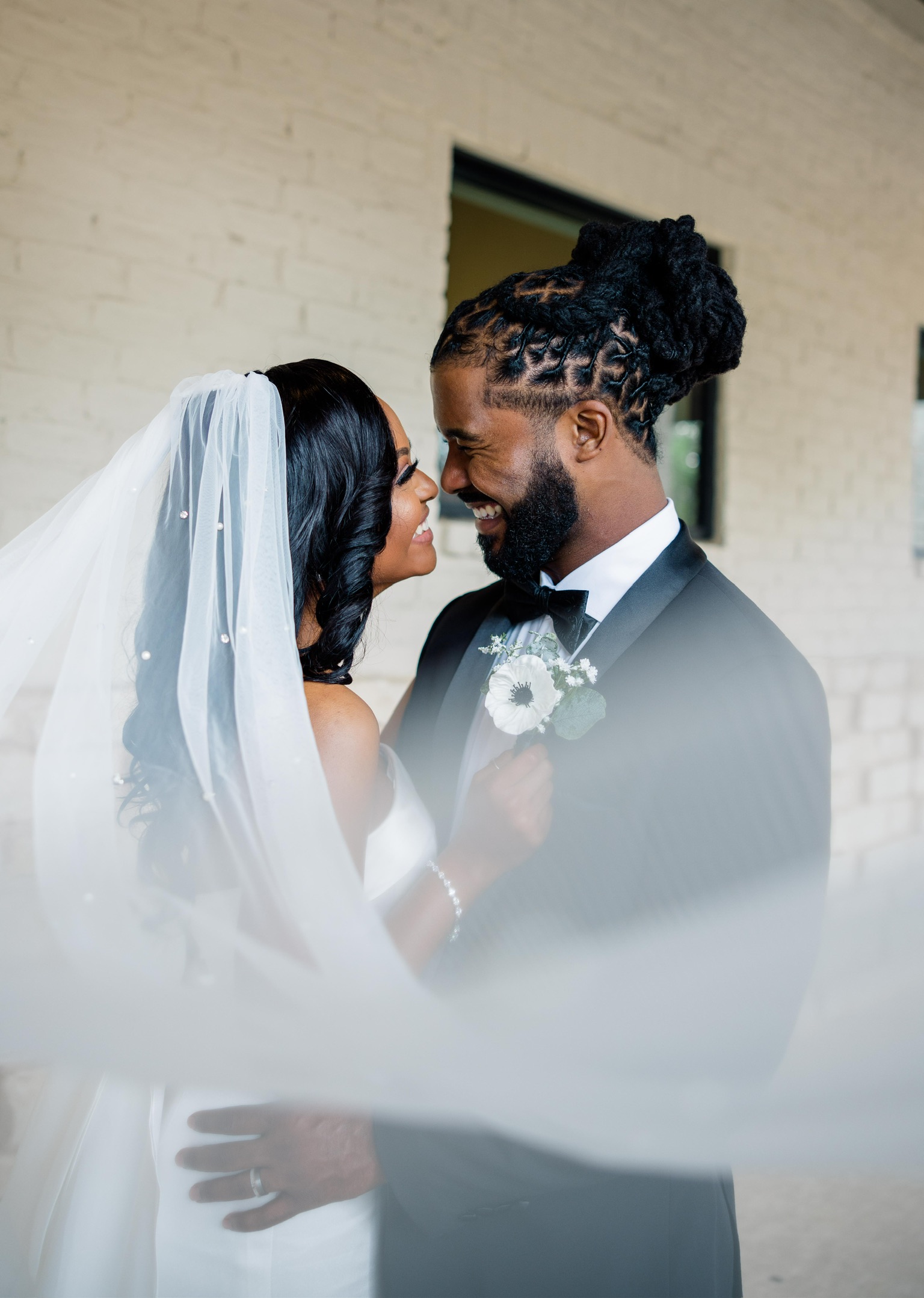
For couples, the easiest starting point is rarely standing straight beside each other and smiling at the lens. Turn slightly toward one another. Let one person settle a hand at the waist, on an arm, or over the other person’s hand. Leave just enough space for your outfits to breathe, then close it when the moment calls for it.
Your hands deserve attention because they tend to reveal nerves first. If you do not know what to do with them, touch something meaningful. Hold hands. Smooth a lapel. Rest a hand on a shoulder. Tuck a piece of hair behind an ear. The gesture does not need to be dramatic. It only needs to feel believable.
Give Yourself Something to Do
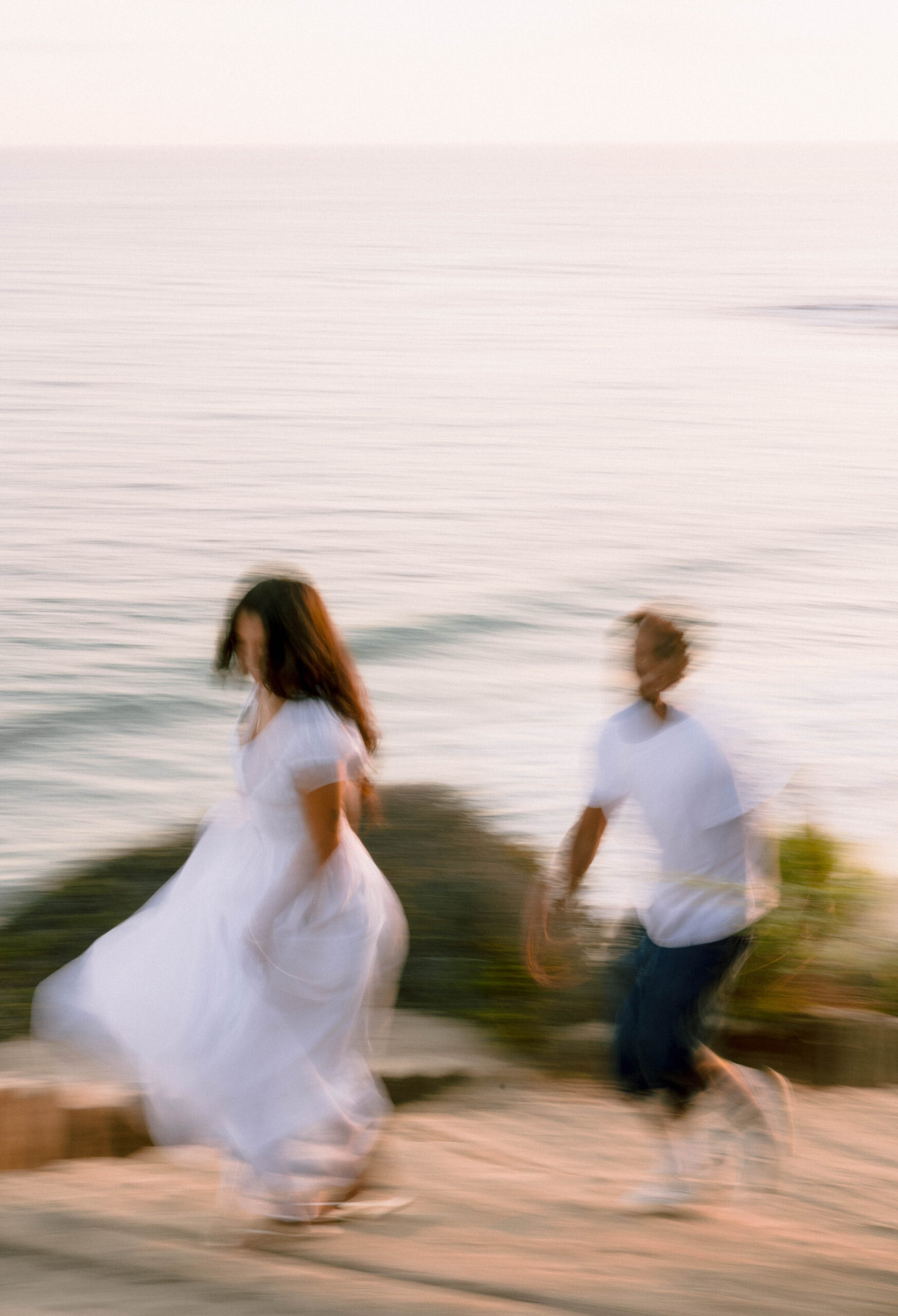
Still portraits have their place, especially for the frame worthy image your parents will absolutely want. But movement is often the shortcut to ease. Walking gives you a rhythm. A slow turn lets fabric move. Leaning in for a private joke softens a serious expression before you even realize it.
The key is to move slowly. A wedding portrait session is not a race across the venue. Take small steps, stay connected, and let yourselves reset between prompts. Sometimes the strongest frame comes right after you think the photo is finished, when you drop your shoulders, laugh, and look at each other instead of the camera.
A few ideas work especially well because they create natural interaction. Walk toward a beautiful patch of light while talking about your favorite part of the day so far. Hold each other close and sway for a few seconds. Ask your partner to look at you the way they did during your first look. Pause forehead to forehead, then let the moment unfold rather than forcing a kiss on cue.
The point is not to perform romance for the camera. The point is to make room for the affection that is already there.
How to Look Connected Without Feeling Staged
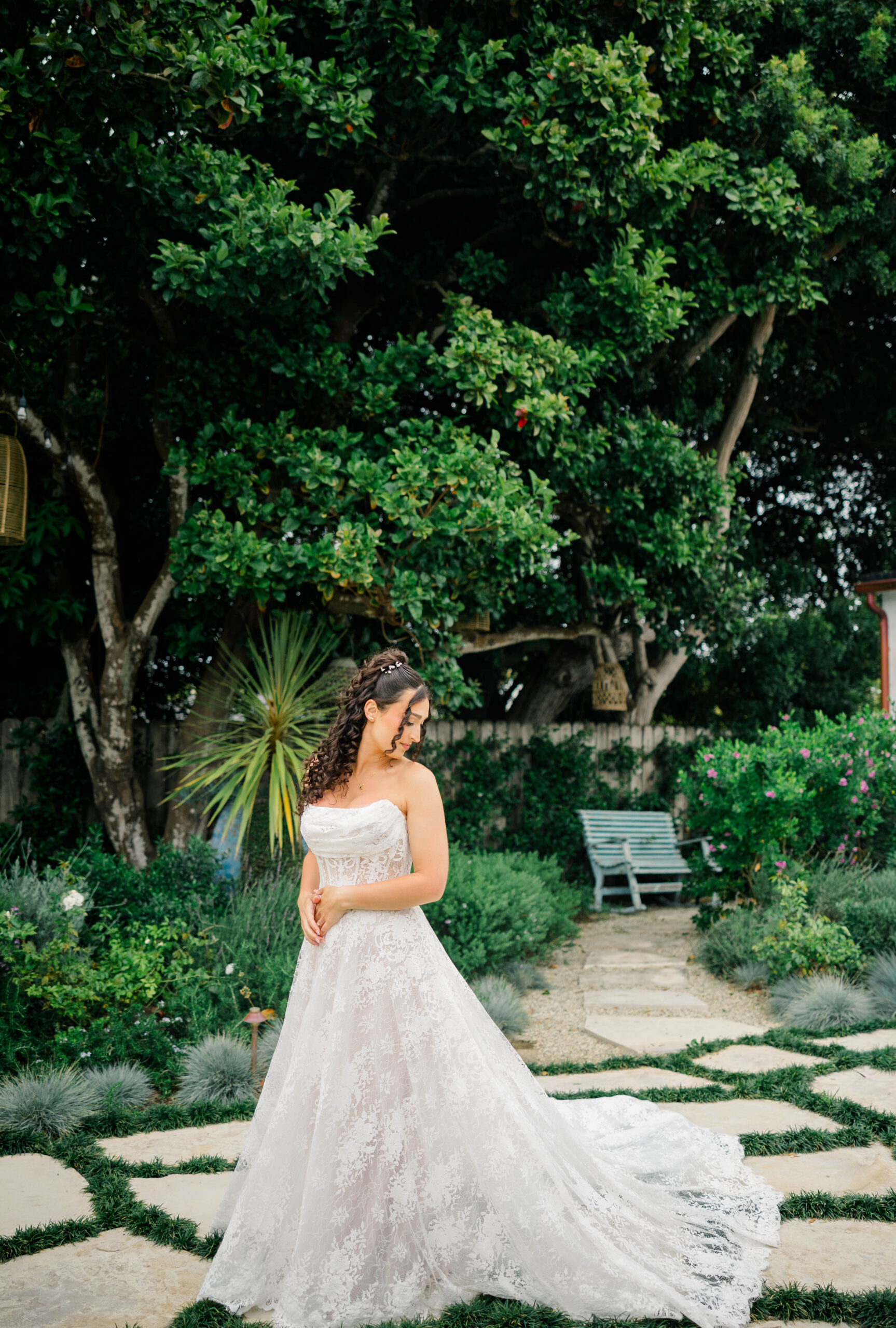
Connection shows up in small details. Your eye line matters more than you may think. Looking directly at the camera has a polished, iconic quality, but looking at your partner often feels more intimate. Looking down can create a quieter, reflective frame. Looking past them, especially during a walk or an embrace, can bring in a sense of anticipation and movement.
Variety comes from changing one thing at a time. Shift from looking at the camera to looking at each other. Move from a loose handhold to a closer embrace. Stand still, then walk. This gives your gallery range without asking you to memorize a dozen poses.
It also helps to think less about smiling and more about reacting. A real smile may show up when you see your partner in their wedding look, when someone makes a joke from behind the camera, or when you remember that all your favorite people are just around the corner. You do not need to hold a grin for ten minutes. In fact, please do not. Let your expression change. That is what makes it feel human.
Let the Setting Do Some of the Work
Los Angeles and Orange County offer plenty of beautiful wedding settings, but the prettiest backdrop cannot replace a real moment. A grand staircase, ocean view, garden path, or editorial hotel lobby is most effective when it supports the emotion in the frame instead of overpowering it.
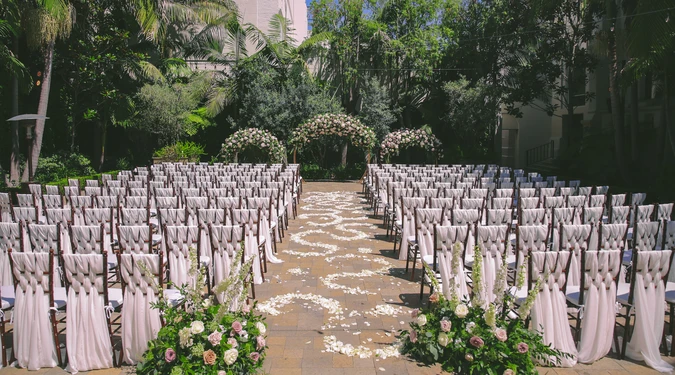
Use your venue naturally. Sit together on the edge of a sofa. Pause in a doorway. Hold hands while taking in the ceremony space before guests arrive. Let the architecture frame you, but keep your focus on each other. When the environment feels like part of your day rather than a prop, the photos hold onto the atmosphere as well as the faces.
Light matters, too. Soft window light can make getting ready photos feel intimate and calm. Sunset can create a warm, cinematic feeling, but it may only give you a short window. If your timeline allows, a brief portrait break near sunset is worth considering. If it does not, do not panic. Great photographers can create beautiful images throughout the day by paying attention to direction, shade, and the story unfolding in front of them.
Make Space for the In Between Moments
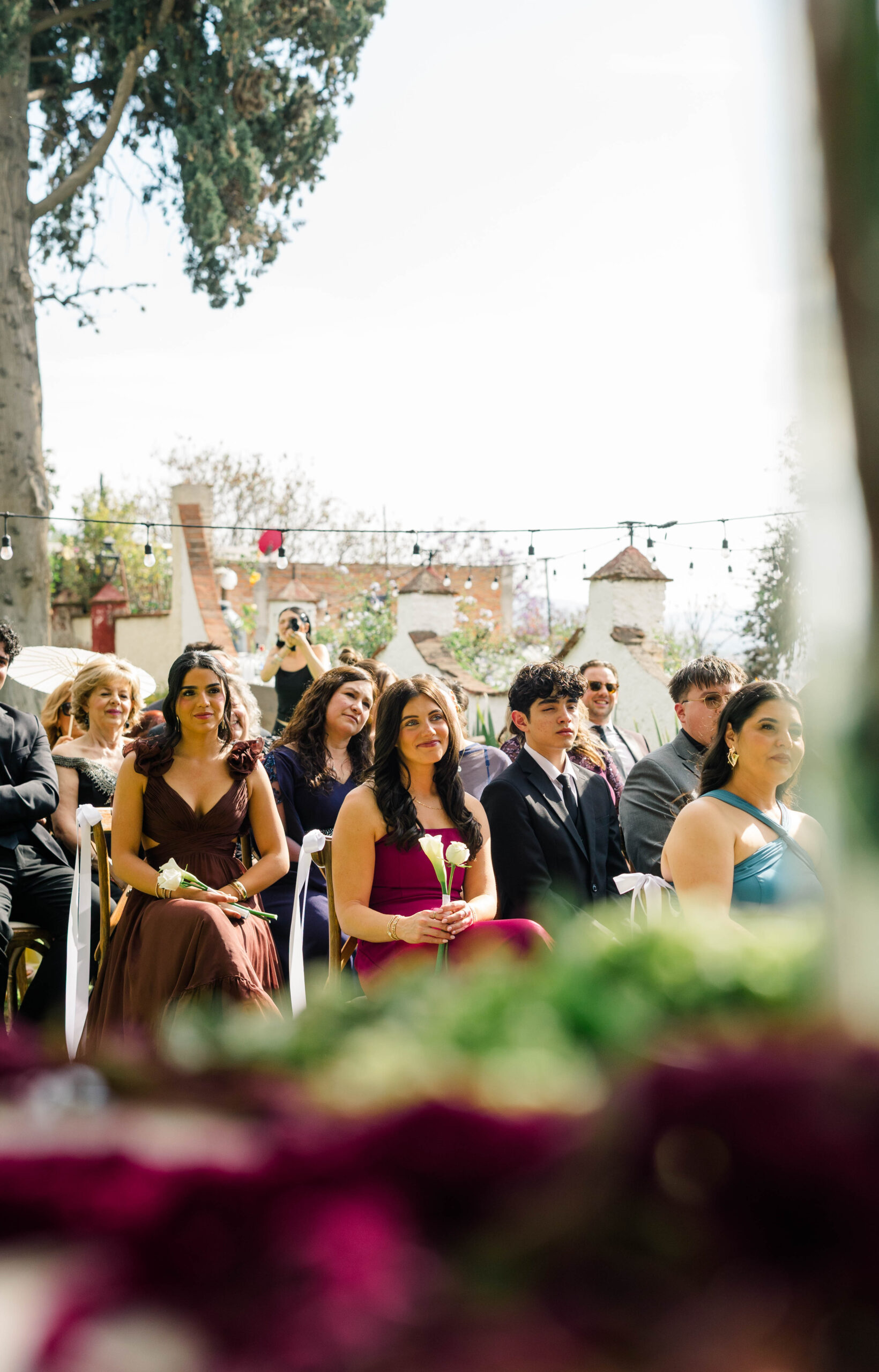
Some of the most emotional wedding photos are not planned portraits at all. They happen while a parent adjusts a veil, while friends react to a speech, or when you squeeze each other’s hands before walking into the reception. These moments cannot be recreated exactly, which is why they matter so much.
You can invite more of them into your gallery by building a timeline with breathing room. Give yourself a few quiet minutes after your first look. Avoid packing every family grouping and couple portrait into an impossibly tight window. Let your photo and video team know which people and traditions carry the most weight for you, then trust them to watch for what happens around those moments.
This does not mean the day needs to be unstructured. A thoughtful plan creates freedom. When you know the essential portraits are covered, you can be fully present for the parts you cannot schedule: the happy tears, the chaotic dance floor, the glance across the room that says, “Can you believe this is ours?”
What to Do If You Feel Awkward
Say it out loud. A good photographer will not be surprised, and there is nothing embarrassing about it. Tell them you prefer more guidance, that you are worried about your smile, or that you need a minute to warm up. Those details help them lead you well.
You can also shift your attention outward. Focus on your partner’s hands, their voice, the feeling of your clothes, or the music playing nearby. Take one deep breath together before portraits begin. The camera may still be there, but it will stop feeling like the center of the moment.
At The Jaramillos, we love helping couples trade pressure for presence. We will guide the frame, keep the energy light, and make room for the laughter and tenderness that cannot be posed. Your wedding photos should not look like you were trying to have a perfect day. They should feel like you had one.


Comments +