
Your partner squeezes your hand just before the ceremony. Your grandmother sees you dressed for the first time. Your friends lose it on the dance floor. These are not moments you can recreate with a perfect pose. When couples ask about photojournalistic versus editorial wedding photography, they are usually asking a bigger question: how do we want our day to feel when we look back on it?
The answer does not have to be one style or the other. The most meaningful wedding galleries often hold both the honest, unplanned feeling of the day and the polished portraits worth printing big. What matters is understanding the difference, then choosing a photographer who can make space for your real experience.
What is photojournalistic wedding photography?
Photojournalistic wedding photography is rooted in observation. Instead of constantly arranging people, your photographer watches closely for emotion, connection, movement, and the little details that reveal what the day was actually like.
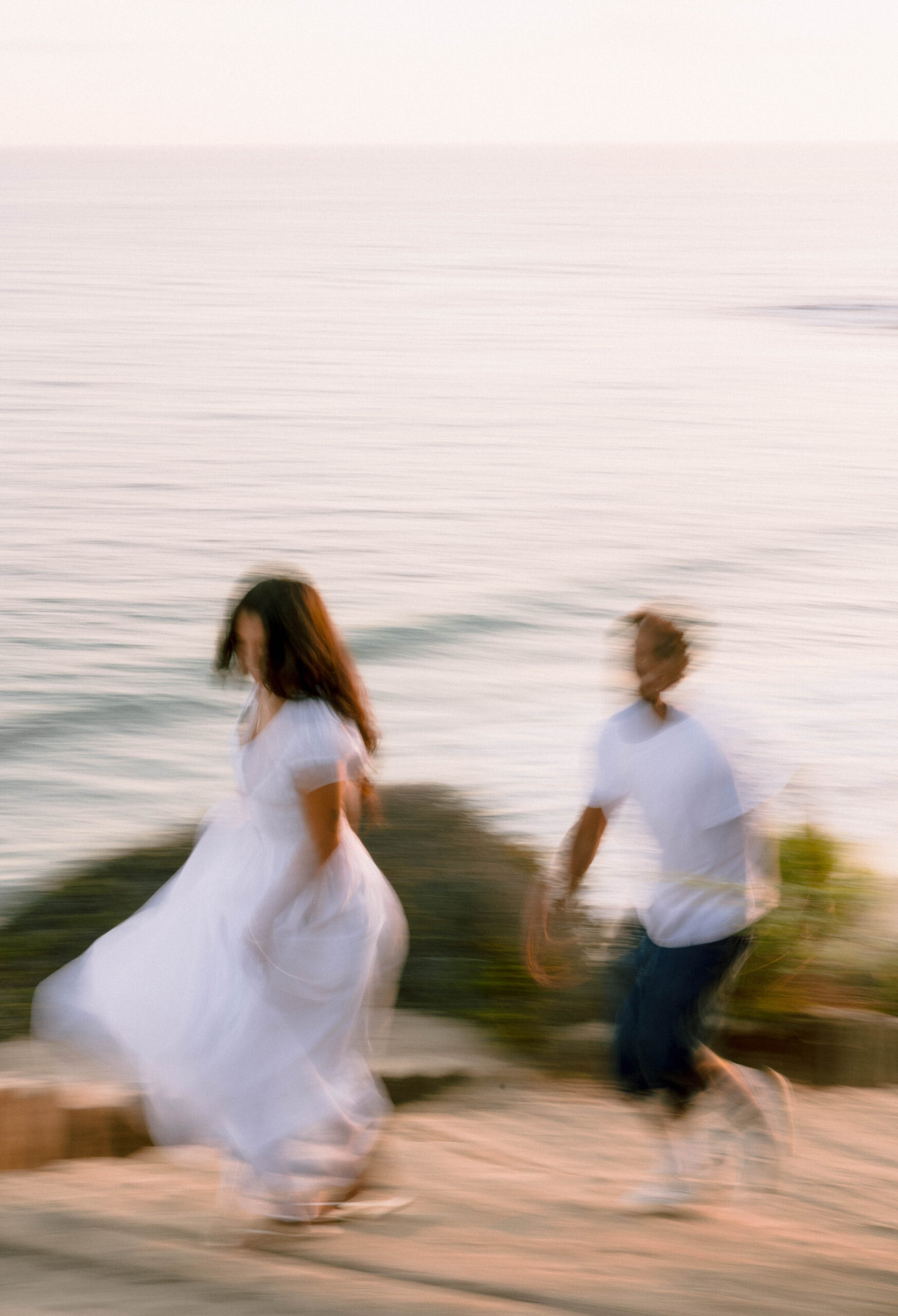
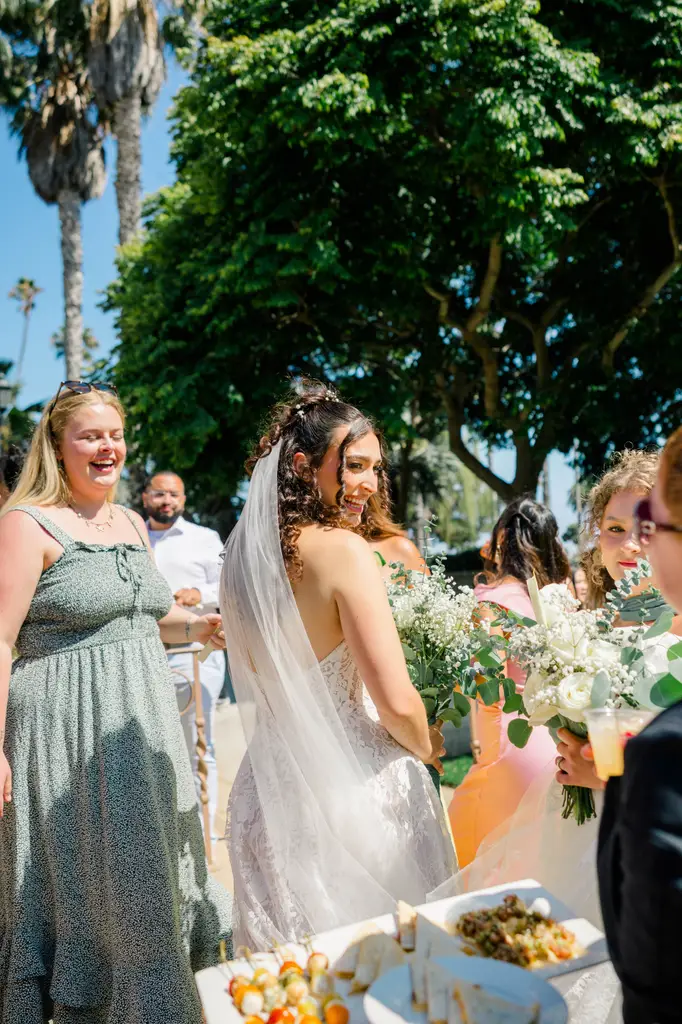
Think of your dad taking a breath before walking you down the aisle. Your best friend fixing your veil while everyone laughs in the getting ready room. A teary hug after the ceremony. The way your guests react when you make your entrance. These images are not manufactured. They happen because someone is present enough to notice them.
This approach is especially beautiful for couples who care deeply about their people. Years from now, the flower arrangements may blur together, but the photo of your niece asleep on someone’s shoulder or your college friends screaming every word to your favorite song will bring the feeling right back.
Photojournalistic does not mean your photographer disappears into a corner all day. Great documentary coverage is active. It requires anticipation, quick instincts, strong composition, and a calm presence that helps everyone forget the camera is there. Your photographer is paying attention to the story as it unfolds, not simply taking random candids.
The feeling of a documentary approach
A photojournalistic gallery tends to feel alive. There is motion, personality, imperfect laughter, and the kind of emotion that cannot be directed. It honors the full story, including the quiet pauses and joyful chaos.
The trade off is that the photographer has less control over every background, expression, and bit of light in a spontaneous moment. That is part of its magic. The image is meaningful because it is real, not because every detail was styled into place.
What is editorial wedding photography?
Editorial wedding photography is more intentional and art directed. It takes inspiration from fashion magazines, fine art imagery, and clean visual storytelling. Your photographer may guide where you stand, adjust your hands, choose a flattering background, and use light with purpose to create a refined final frame.
This is the approach behind those breathtaking couple portraits where everything feels elevated but still believable. It can also show up in carefully composed detail photos, elegant wedding party portraits, and family formals that feel organized rather than rushed.
Editorial direction is not about making you act like professional models. Honestly, most couples have never posed for a camera together, and that is completely normal. The right guidance gives you something to do with your hands, eases the pressure of being watched, and helps you look like yourselves on a very good day.
The feeling of an editorial approach
Editorial images often feel intentional, polished, and visually timeless. They are the photos you may imagine framed in your home, shared as an announcement, or saved because they capture the beauty you worked hard to create.
The trade off is time and attention. A thoughtfully directed portrait needs a few uninterrupted minutes. If you want a larger portion of your gallery to have that high fashion look, your timeline needs to protect room for it. That does not mean hours away from your guests. It means choosing a team that can work efficiently and knowing which images matter most to you.
Photojournalistic versus editorial wedding photography: the real difference
The simplest distinction is this: photojournalistic photography responds to what is happening, while editorial photography shapes a moment with artistic direction.
But wedding days are not divided into neat categories. A photographer might document your partner’s genuine reaction when they see you, then guide you both into beautiful window light for a few portraits. They may capture the champagne toast as it happens, then quickly create a composed photo of your signature cocktails before guests arrive.
That blend is often the sweet spot. You do not have to choose between photos that feel emotionally honest and photos that look artfully considered. You can have images with the energy of your actual celebration plus portraits that make you say, “Wait, that is us?”
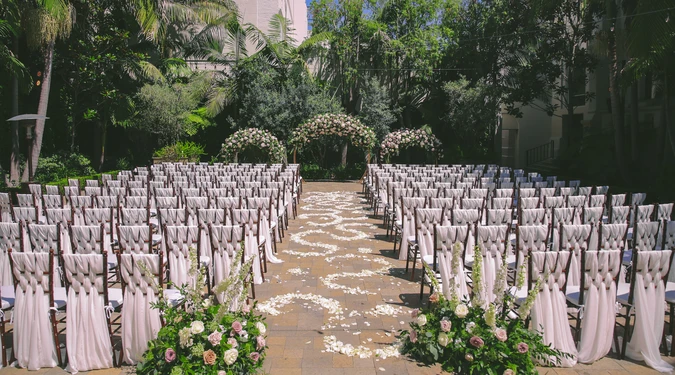
For couples planning a Los Angeles or Southern California wedding, this flexibility can be especially helpful. A ceremony in bright sun, a dimly lit reception, a coastal breeze, and a packed dance floor each ask for something different. Experience matters because your photographer should be able to shift gears without making the day feel like a production.
How to choose the style that fits your wedding
Start with the memory, not the trend. When you picture opening your gallery on your first anniversary, what do you hope hits you first? Maybe it is the way everyone loved on you. Maybe it is the architecture, fashion, and intentional design. Maybe it is both, and that is a great answer.
If candid connection matters most, look for galleries with real reactions, guest interactions, and full reception coverage. Do not judge a photographer only by a handful of beautiful portraits on social media. Ask yourself whether their work shows a complete wedding day with all its layers.
If you love refined portraits, pay attention to how couples look in a photographer’s images. Do they appear stiff, or relaxed and connected? Editorial work should still feel like you. Great direction creates confidence, not a version of you that feels unfamiliar.
Also consider your comfort level. If being photographed makes you nervous, you may need more gentle guidance during portraits and more space to forget the camera during the rest of the day. That combination can be incredibly freeing. You get clear direction when you want it and room to be fully present when you do not.
Questions worth asking your photographer
Ask how they balance candid coverage with posed portraits, how much time they recommend for couple photos, and what they do if the timeline runs late. Ask to see complete galleries in lighting conditions similar to your wedding. Most importantly, ask what it feels like to work with them.
Your photo and video team will be close to you through some of the most emotional parts of the day. Technical skill is essential, but so is chemistry. You deserve collaborators who can keep things moving, make you laugh, protect a quiet moment when needed, and celebrate right alongside you.
Why the best wedding photos make room for both
A wedding is not a styled shoot, even when it is beautifully designed. It is a living room full of favorite people, a ceremony full of nerves and promises, and a reception that may get wonderfully unhinged by the end of the night. The images should hold all of that.
At The Jaramillos, we believe the strongest galleries are built around real feeling with enough intentional direction to make you feel confident and cared for. We are there for the iconic portrait, yes, but also for the glance across the room, the shaky happy tears, and the friends who turn the dance floor into a core memory.
Choose the approach that lets you stay present with each other. The right photos will not just show how your wedding looked. They will bring you back to how loved you felt in the middle of it all.


Comments +